
Comparison of Heat-Resistant DDP Insulating Paper with NMN, DMD, and Insulating Pressboard
In power equipment and industrial motors, high-performance insulation materials are essential for safe and stable operation. Heat-resistant DDP insulating paper offers excellent thermal endurance and mechanical strength, making it the preferred material for many high-end electrical devices. This article explains the differences and advantages of heat-resistant DDP insulating paper compared with NMN, DMD, and traditional insulating pressboard.
Overview of Heat-Resistant DDP Insulating Paper
Heat-resistant DDP insulating paper is high-temperature insulating paper treated with a special impregnation process. Its main features include:
High thermal resistance: Withstand operating temperatures above 150°C for extended periods.
Excellent mechanical strength: Maintains good tensile and compressive performance even in high-temperature environments.
Good electrical properties: High insulation resistance and low dielectric loss, suitable for high-voltage applications.
Chemical corrosion resistance: Resistant to oil, acids, alkalis, and moisture.
Heat-resistant DDP insulating paper is mainly used in high-performance transformers, motor windings, generators, and new energy equipment. And it is suitable for industrial high-temperature environments.

Features of NMN Insulating Paper
NMN insulating paper is an insulation material impregnated with a special resin. Its main characteristics are:
High thermal class: NMN is suitable for temperatures ranging from 150°C to 180°C.
High electrical strength: NMN is used in high-voltage equipment.
Good mechanical strength: Performance may decrease in high-humidity environments.
Compared with heat-resistant DDP insulating paper, NMN paper has lower moisture resistance and long-term high-temperature stability, but it is more cost-effective and suitable for medium-to-high temperature motors and general-purpose transformers.
Features of DMD Insulating Paper
DMD insulating paper is a special resin-impregnated paper, with the following main advantages:
Good high-temperature performance: Operate continuously around 150°C.
High mechanical strength: Suitable for high-load motor and generator windings.
Stable dielectric properties: Suitable for high-frequency and high-voltage applications.
Compared with heat-resistant DDP paper, DMD paper has lower oil resistance and chemical corrosion resistance, but it can still be used in specific high-temperature, high-voltage scenarios.
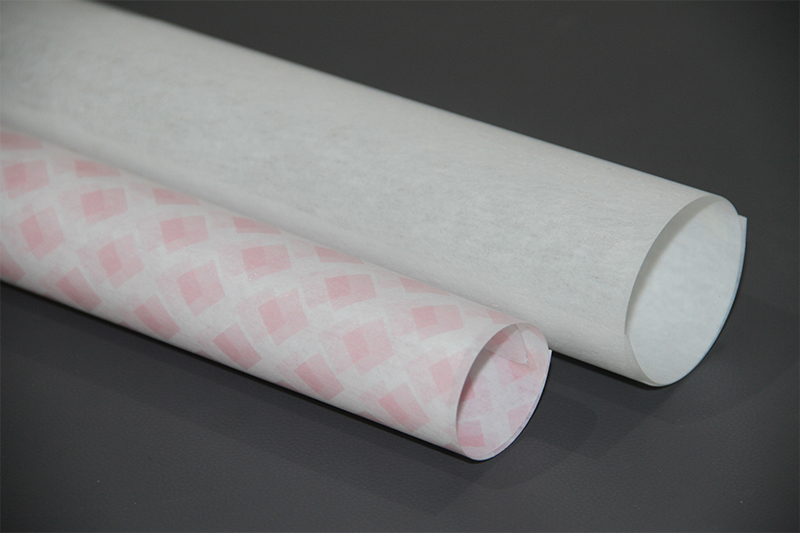
Overview of Insulating Pressboard
Traditional insulating pressboard mainly includes ordinary pressboard and oil-impregnated pressboard, with the following characteristics:
Low cost: Economical solution.
Moderate mechanical performance: Suitable for low-load equipment.
Limited thermal resistance: Suitable temperature range 90–130°C.
Insulating pressboard is mainly used in low-voltage distribution equipment, general-purpose motors, and standard industrial machinery. Its performance is lower than heat-resistant DDP, NMN, and DMD insulating papers.
Comparison of Application Areas
1.Heat-Resistant DDP Insulating Paper Applications
High-temperature motors and generator slot insulation
Traction motors and special-purpose motors
Transformer interlayer insulation
Aerospace, military, and other fields requiring extreme thermal resistance and reliability
2.NMN Insulating Material Applications
Medium-sized high-voltage motor insulation
Dry-type transformer insulation
Phase-to-phase insulation in electrical equipment
Scenarios requiring flexibility and high electrical strength
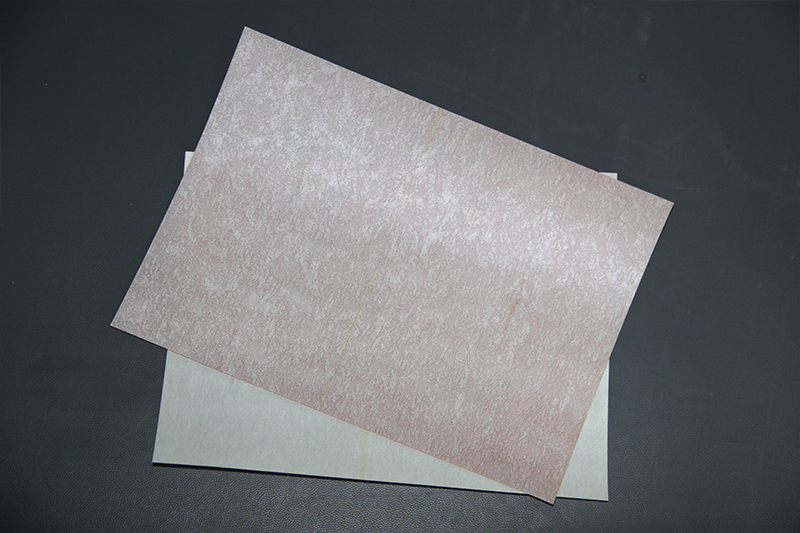
3.DMD Insulating Material Applications
Small to medium motor slot insulation
Household appliance motor insulation
Low-voltage transformer insulation
Scenarios balancing cost and overall performance
4.Insulating Pressboard Applications
Transformer insulation spacers and supports
Insulating supports for switchgear
Mechanical support components in electrical equipment
Low-voltage equipment with minimal thermal requirements

Selection Guide
Temperature conditions:
For high-temperature environments, choose DDP or NMN.
For medium temperatures, DMD is suitable.
For low temperatures, insulating pressboard can be considered.
Electrical requirements:
For high-voltage applications, DDP or NMN is preferred.
For low-voltage scenarios, DMD or pressboard is sufficient.
Mechanical requirements:
If flexibility is important, choose DDP, NMN, or DMD.
If rigid support is required, select insulating pressboard.
Environmental factors:
In humid or oil-contaminated environments, synthetic materials (DDP/NMN/DMD) are preferred.
Cost considerations:
Determine based on the balance between performance needs and budget.
Heat-resistant DDP insulating paper demonstrates outstanding performance in high-temperature, high-voltage, and high-load environments, making it widely used in new energy equipment, generators, and high-end motors. By comparing it with NMN, DMD, and traditional insulating pressboard, its advantages in thermal resistance, mechanical strength, electrical performance, and chemical corrosion resistance become clear, which provides a scientific basis for material selection in electrical equipment.
- more+releated article
- 2025-12-13How to Select and Use Phenolic Cloth-base Lami
- 2025-12-13How Much Does Bakelite Sheet Cost? 2025 Price
- 2025-12-13Why are most 3240 epoxy boards yellow?
- 2025-12-13What are the Main Applications of FR4 Epoxy Bo
- 2025-12-13Why Does the Price of Insulating Paperboard Va
- 2025-12-13Heat-Resistant DDP Insulation Paper
- 2025-12-13Comparison of Heat-Resistant DDP Insulating Pa
- 2025-12-13G10 and FR4 Epoxy Boards: Commonly Used for Ge
- 2025-12-13The Price of Heat-Resistant DDP Insulation Pap
- 2025-12-13How to Choose Epoxy Laminate Materials for Gen
- ELECTRICAL INSULATION BOARD MATERIALS
- ELECTRICAL INSULATION MATERIALS
- POWER TRANSFORMER
- ENAMELED WIRE
- SWITCHGEAR


- Price of a 1600kVA 10kV Cast Resin Dry-Type Transformer35kV dry-type transformer protection10kV oil-immersed transformer110 kV oil-immersed transformerOil-Immersed Transformer Maintenance66 kV oil-immersed transformer110 kV oil-immersed transformersdry-type transformer33 kV oil-immersed transformer69/66 kV Three-Phase Oil-Immersed Power TransformersDry-Type Distribution Transformer Pricedry-type distribution transformerdry type transformerpower transformer 110kVoil-immersed transformertransformer procurement guide 2025power system upgrade stepssubstation upgrade66kV equipment selection66kV transformer system33kV to 66kV upgrade66 kV oil-immersed power transformer220 kV to 66 kV step-down transformeroil-immersed transformer for substation66 kV transformer application