
How to Reduce the Maintenance Cost of Oil-Immersed Distribution Transformers
Oil-immersed distribution transformers are essential components widely used in industrial facilities, power transmission and distribution networks, commercial buildings, and renewable energy projects. Ensuring long-term stability while minimizing maintenance cost is a major concern for modern power system operators. This article provides a comprehensive analysis of the main causes of high maintenance expenses and offers practical, actionable strategies to reduce cost and improve operational efficiency.

Main Reasons for High Maintenance Costs
Harsh Operating Environments
High temperature, humidity, excessive dust, salt fog, and corrosive gases accelerate the aging of insulation materials, shortening maintenance intervals and increasing overall cost.
Aging and Deterioration of Insulating Oil
Insulating oil plays a critical role in maintaining internal insulation strength. When oil deteriorates, the risk of discharge increases, requiring frequent laboratory analysis, purification, or replacement to ensure operational safety.
High Failure Rate of Cooling Systems
Poor heat dissipation caused by clogged radiators, reduced oil circulation, or fan malfunction leads to overheating, significantly raising transformer failure rates over time.
Quality Differences in Accessories
Low-quality accessories such as seals, bushings, and temperature gauges easily cause oil leakage, moisture ingress, and faulty temperature control—leading to unplanned downtime and higher maintenance costs.
Effective Strategies to Reduce Transformer Maintenance Costs
Predictive Maintenance
Replace traditional fixed-cycle maintenance with a condition-based monitoring strategy. Conduct regular insulating oil tests, analyze dissolved gas and moisture levels, and install online sensors for temperature and partial discharge. This helps detect abnormalities early and reduces excessive maintenance.
Improving Insulating Oil Management
Since oil performance directly affects service life, proper management significantly reduces maintenance spending. Prioritize oil filtration and regeneration instead of complete replacement, reinforce equipment sealing, and monitor oil levels in real time to prevent temperature rise and insulation failure.
External Cleaning and Ventilation
Regular cleaning of radiators, fan surfaces, and external components enhances heat dissipation efficiency. Maintaining a clean, dry, and ventilated installation environment reduces overheating and prolongs equipment lifespan.
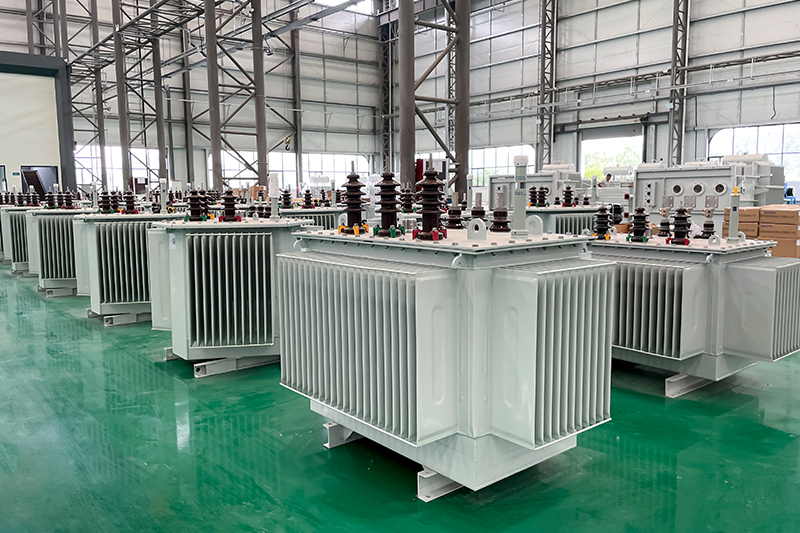
Intelligent Upgrades
Investing in intelligent monitoring systems enables remote data collection and reduces manual inspections. For aging units, upgrading to low-loss transformers brings long-term economic benefits through lower energy consumption and fewer failures.
Management Optimization and Personnel Training
Training technicians to identify early faults helps prevent minor issues from turning into major failures. Optimizing spare parts inventory and establishing rapid supplier response mechanisms ensures timely replacement during emergencies.
Application-Specific Maintenance Cost Optimization
Industrial Projects
Choose a transformer with slightly higher capacity and configure ONAF cooling according to load conditions to avoid continuous high-load operation.
Renewable Energy Projects
Select transformers with strong moisture-proof and salt-fog-resistant capabilities. High-altitude or high-temperature regions require specially designed models suited for harsh environments.
Urban Power Distribution Systems
Combine intelligent monitoring with scheduled inspections to reduce operational risk. Use low-noise, low-loss transformers to decrease overall energy consumption.
Reducing the maintenance cost of oil-immersed distribution transformers is a systematic process involving design optimization, material selection, oil management, intelligent monitoring, and personnel training. By applying the strategies described above, enterprises can lower direct maintenance expenses by 20%–35%, minimize power outage-related losses, extend equipment service life, and significantly enhance overall economic efficiency.
- more+releated article
- 2025-12-13How to Select and Use Phenolic Cloth-base Lami
- 2025-12-13How Much Does Bakelite Sheet Cost? 2025 Price
- 2025-12-13Why are most 3240 epoxy boards yellow?
- 2025-12-13What are the Main Applications of FR4 Epoxy Bo
- 2025-12-13Why Does the Price of Insulating Paperboard Va
- 2025-12-13Heat-Resistant DDP Insulation Paper
- 2025-12-13Comparison of Heat-Resistant DDP Insulating Pa
- 2025-12-13G10 and FR4 Epoxy Boards: Commonly Used for Ge
- 2025-12-13The Price of Heat-Resistant DDP Insulation Pap
- 2025-12-13How to Choose Epoxy Laminate Materials for Gen
- ELECTRICAL INSULATION BOARD MATERIALS
- ELECTRICAL INSULATION MATERIALS
- POWER TRANSFORMER
- ENAMELED WIRE
- SWITCHGEAR

- Price of a 1600kVA 10kV Cast Resin Dry-Type Transformer35kV dry-type transformer protection10kV oil-immersed transformer110 kV oil-immersed transformerOil-Immersed Transformer Maintenance66 kV oil-immersed transformer110 kV oil-immersed transformersdry-type transformer33 kV oil-immersed transformer69/66 kV Three-Phase Oil-Immersed Power TransformersDry-Type Distribution Transformer Pricedry-type distribution transformerdry type transformerpower transformer 110kVoil-immersed transformertransformer procurement guide 2025power system upgrade stepssubstation upgrade66kV equipment selection66kV transformer system33kV to 66kV upgrade66 kV oil-immersed power transformer220 kV to 66 kV step-down transformeroil-immersed transformer for substation66 kV transformer application