
How to Choose the Best 110 kV Oil-Immersed Power Transformer for a Substation
The 110 kV oil-immersed power transformer is a critical component in modern substations. Its performance and reliability directly influence the safety and stability of the entire power grid. For projects with different operational conditions and technical requirements, choosing the right transformer is vital for engineering teams, procurement professionals, and O&M departments. This guide provides a comprehensive evaluation based on key parameters, environmental adaptability, insulation systems, cooling methods, and supplier qualifications.
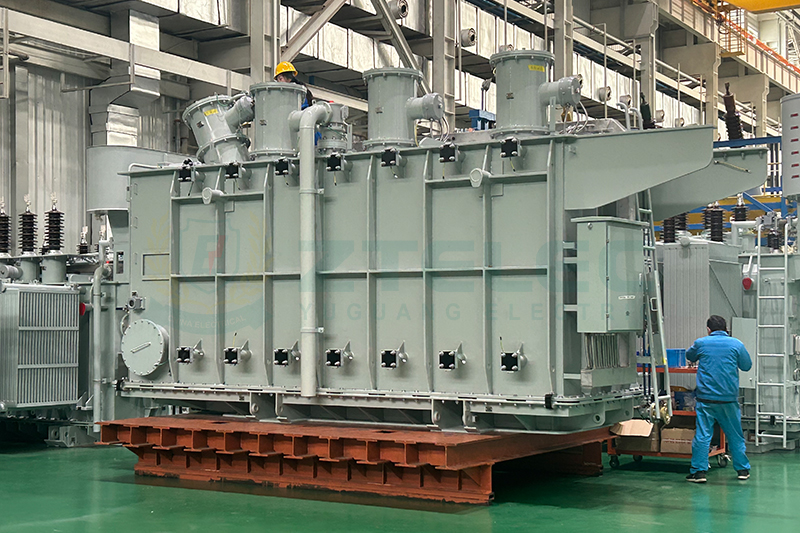
1. Define the Substation Load Requirements
Rated Capacity Selection: Determine the transformer’s capacity based on maximum load, future growth, and expansion needs. A 10%–20% capacity margin is recommended. For industrial facilities, mining sites, or renewable energy bases with large load fluctuations, selecting a higher capacity level improves operational safety.
Load Characteristics Analysis: For continuous high-load operation, the transformer should have a strong cooling capacity and a higher temperature-rise class. When impact loads are expected, parameters such as short-circuit impedance and short-circuit withstand capability must be evaluated carefully.
2. Select the Appropriate Insulation Class and Material System
Main Insulation System: Choose a paper–oil insulation system compliant with IEC 60076 or GB/T 1094 standards. High thermal endurance insulation materials—such as high-grade paperboard and enamelled wire—help extend transformer service life.
Insulation Oil Quality: Insulating oil should meet IEC 60296 requirements. Mineral or synthetic oils with low viscosity, high breakdown voltage, and strong oxidation stability are recommended. For high humidity, high altitude, or coastal areas, use antioxidant insulating oil and enhanced anti-corrosion measures.
3. Select a Proper Cooling Method
ONAN (Oil Natural Air Natural): Features simple structure and low maintenance cost. Ideal for stable load conditions.
ONAF (Oil Natural Air Forced): Offers higher cooling efficiency and increases the transformer’s rated capacity by 30–40%. Applicable in urban power grids and industrial substations.
OFAF (Oil Forced Air Forced / Oil Pump + Water Cooling): Provides maximum cooling performance and is suitable for high-temperature regions or areas with limited space. Requires more robust maintenance and technical support.
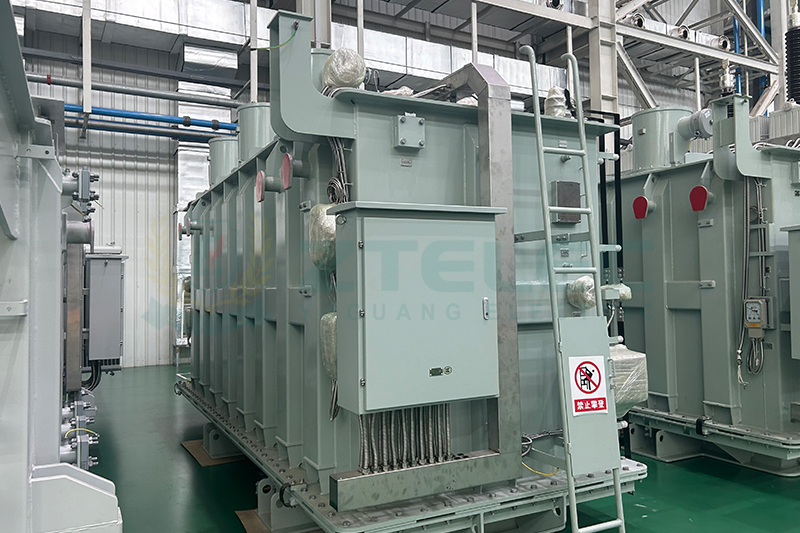
4. Consider Operating Environment and Installation Conditions
High-Altitude Areas: Low air pressure reduces insulation strength. Choose specially designed high-altitude models with optimized insulation and cooling structures.
High-Temperature or Extreme-Cold Climate: High-temperature regions require enhanced heat dissipation. Extremely cold regions require insulating oils with good low-temperature viscosity and reliable cold-start performance.
Corrosive Environments: Coastal or heavy salt-fog regions should adopt anti-corrosion coatings, stainless-steel tanks, and corrosion-resistant accessories.
5. Pay Attention to Loss Indicators and Operational Economy
No-Load and Load Losses: High-efficiency transformers reduce long-term electricity costs. For substations operating many hours per year, no-load loss is a key factor.
Noise Control: For transformers near residential areas, schools, or hospitals, select low-noise models with ≤ 58–60 dB noise levels.
6. Evaluate the Manufacturer’s Qualifications and Quality System
Reliable 110 kV transformers must come from qualified manufacturers with experience in large-scale projects. Key criteria include:
• ISO 9001, ISO 14001, and ISO 45001 certifications
• Capability to perform partial discharge, lightning impulse, temperature rise, and short-circuit tests
• Availability of SGS, CNAS, or other third-party test reports
• Comprehensive after-sales service including installation guidance, oil testing, withstand-voltage testing, and remote support
7. Evaluate Cost-Effectiveness and Life-Cycle Costs
A transformer’s value should be assessed over its entire 20-year life cycle, including energy losses, maintenance expenses, downtime risks, and potential future capacity expansion. High-quality transformers generally deliver better long-term economic performance.
Selecting the best 110 kV oil-immersed transformer is essential for ensuring stable and efficient substation operation. By analyzing load requirements, insulation systems, cooling methods, and manufacturer qualifications, project owners can significantly improve reliability, efficiency, and service life—ensuring long-term safe operation of the power system.
- more+releated article
- 2025-12-13How to Select and Use Phenolic Cloth-base Lami
- 2025-12-13How Much Does Bakelite Sheet Cost? 2025 Price
- 2025-12-13Why are most 3240 epoxy boards yellow?
- 2025-12-13What are the Main Applications of FR4 Epoxy Bo
- 2025-12-13Why Does the Price of Insulating Paperboard Va
- 2025-12-13Heat-Resistant DDP Insulation Paper
- 2025-12-13Comparison of Heat-Resistant DDP Insulating Pa
- 2025-12-13G10 and FR4 Epoxy Boards: Commonly Used for Ge
- 2025-12-13The Price of Heat-Resistant DDP Insulation Pap
- 2025-12-13How to Choose Epoxy Laminate Materials for Gen
- ELECTRICAL INSULATION BOARD MATERIALS
- ELECTRICAL INSULATION MATERIALS
- POWER TRANSFORMER
- ENAMELED WIRE
- SWITCHGEAR


- Price of a 1600kVA 10kV Cast Resin Dry-Type Transformer35kV dry-type transformer protection10kV oil-immersed transformer110 kV oil-immersed transformerOil-Immersed Transformer Maintenance66 kV oil-immersed transformer110 kV oil-immersed transformersdry-type transformer33 kV oil-immersed transformer69/66 kV Three-Phase Oil-Immersed Power TransformersDry-Type Distribution Transformer Pricedry-type distribution transformerdry type transformerpower transformer 110kVoil-immersed transformertransformer procurement guide 2025power system upgrade stepssubstation upgrade66kV equipment selection66kV transformer system33kV to 66kV upgrade66 kV oil-immersed power transformer220 kV to 66 kV step-down transformeroil-immersed transformer for substation66 kV transformer application