
Heat-Resistant DDP Insulation Paper
Heat-resistant DDP insulation paper is one of the most widely used composite insulation materials in oil-immersed transformers and plays a vital role in ensuring the safe operation of power equipment. With the continuous development of power grid construction, the commissioning of new energy projects, and the upgrading of distribution systems, the performance, reliability, and stability requirements for heat-resistant DDP insulation paper continue to rise. This article analyzes its material structure, performance features, typical applications, and key selection considerations to help you better understand this insulation material.
What Is Heat-Resistant DDP Insulation Paper?
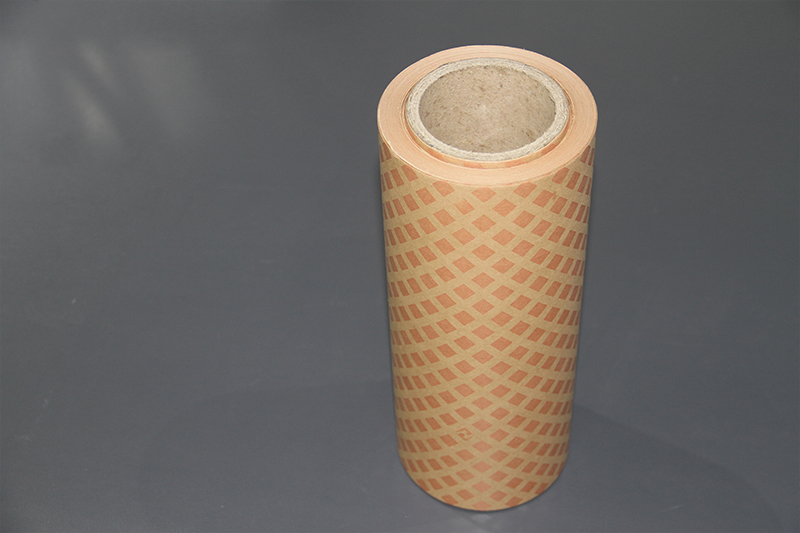
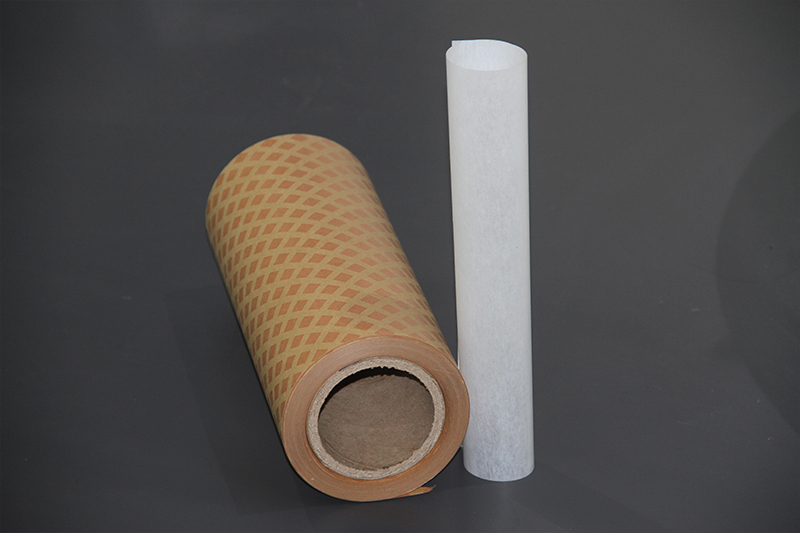
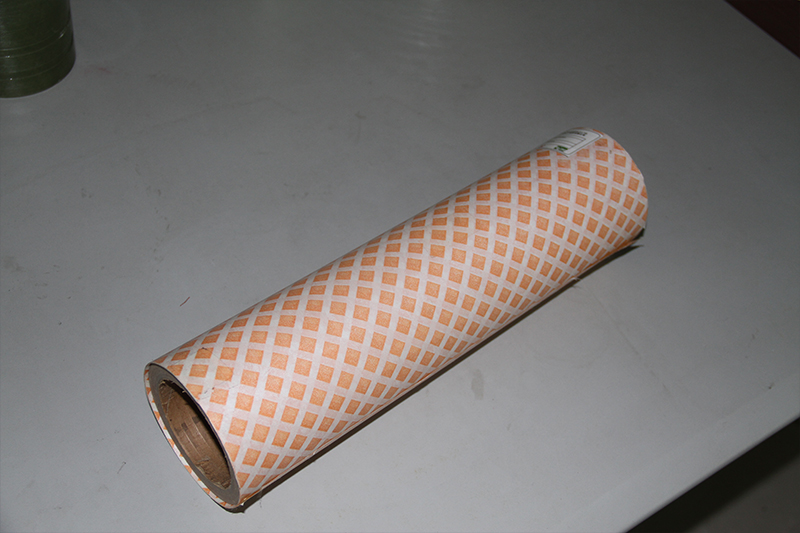
DDP stands for Diamond Dotted Paper. It is produced by coating one or both sides of electrical insulation paper with a thermosetting epoxy resin, followed by a high-temperature pre-curing process. Heat-resistant DDP insulation paper is an upgraded product with a temperature resistance rating of 105°C–120°C or higher. It is suitable for high-temperature and heavy-load working conditions in oil-immersed transformers.
Core Features and Advantages
1. Heat Resistance
Base paper made from high-temperature fibers such as aramid and polyimide mixed pulp
Enhanced thermal stability through special resin impregnation
Maintains high insulation resistance and dielectric strength under elevated temperatures
2. Electrical Insulation Performance
High dielectric strength
Low dielectric loss. This reduces energy loss during equipment operation.
Stable permittivity. This ensures operational stability of electrical equipment.
3. Mechanical Properties
High tensile strength and tear resistance
4. Good Flexibility and Processability
Excellent puncture resistance and wear resistance
Suitable for automatic winding processes
5. Environmental Adaptability
Excellent oil resistance for oil-immersed equipment
Moisture-resistant and chemically resistant
Compliant with environmental standards such as RoHS and REACH
Typical Applications of Heat-Resistant DDP Insulation Paper
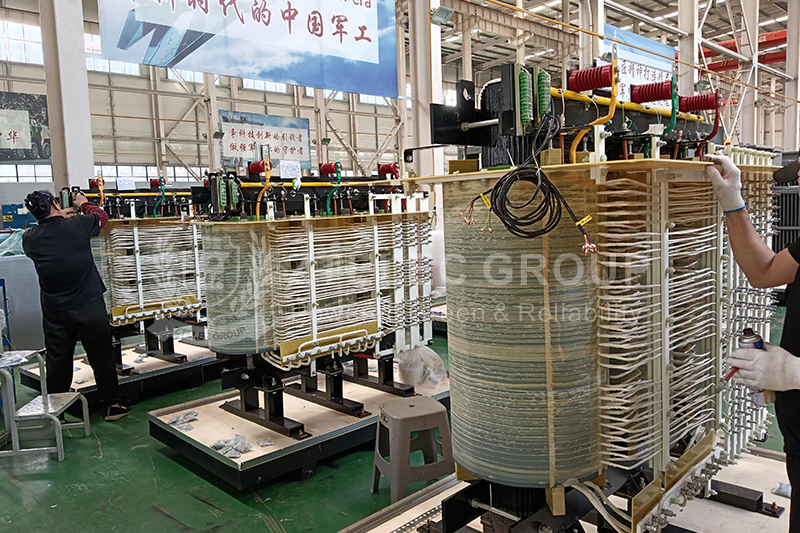
Heat-resistant DDP insulation paper is mainly used for internal insulation in oil-immersed transformers and oil-immersed reactors. Specific application scenarios include:
Inter-layer insulation of coils
Turn-to-turn insulation
End insulation pads
Wire-wrapping insulation
Auxiliary insulation for core clamps and support components
This material is suitable for complex conditions involving high temperature, heavy load, and high humidity. Typical application scenarios include:
New energy power stations such as photovoltaic (PV) and wind power
Distribution systems in industrial and mining enterprises
Substations in high-altitude regions
Compact, high-load urban distribution networks
Key Selection Considerations for Heat-Resistant DDP Insulation Paper
When selecting heat-resistant DDP insulation paper, the following principles should be followed:
Confirm the Temperature Class
Match the product’s temperature rating with the transformer design, such as Class E, F, or H.
Check Resin Dot Quality
Inspect the uniformity and fullness of the diamond-shaped resin dots to prevent insufficient bonding or unstable performance due to uneven resin distribution.
Verify Base Material Performance
Prefer products using high-density electrical insulation paper with stable electrical properties as the base material.
Review Test Reports
Require suppliers to provide test reports including the following indicators, compliant with IEC, GB/T, and other industry standards:
Dielectric strength
Bonding strength
Moisture content
Thermal aging test data
Match the Application Environment
Allow sufficient insulation margin for high-altitude applications
Choose low-hygroscopicity products for high-humidity environments
Use high-bonding, high-heat-resistant models for large-capacity transformers
Installation and Usage Precautions
♦ Storage Conditions: Heat-resistant DDP insulation paper should be stored in a dry environment. And it is recommended that relative humidity be below 60% and direct sunlight be avoided.
♦ Processing: During cutting or punching, keep tools clean to prevent contamination of the material.
♦ Installation Process: Avoid excessive bending or stretching during installation to prevent mechanical damage.
♦ Compatibility Testing: Before use, conduct compatibility tests with varnish and insulating oil.
FAQs
Q1: What is the main difference between DDP insulation paper and ordinary insulation paper?
A1: DDP insulation paper undergoes densification treatment, giving it higher density than ordinary insulation paper. Its electrical performance and mechanical strength are significantly improved, making it suitable for high-voltage and high-frequency equipment.
Q2: How can I tell if the insulation paper needs to be replaced?
A2: Regularly measure insulation resistance and perform dielectric loss angle tests. If the measured values drop more than 30% from the initial values, or if the material shows signs of brittleness or discoloration, replacement should be considered.
- more+releated article
- 2025-12-13How to Select and Use Phenolic Cloth-base Lami
- 2025-12-13How Much Does Bakelite Sheet Cost? 2025 Price
- 2025-12-13Why are most 3240 epoxy boards yellow?
- 2025-12-13What are the Main Applications of FR4 Epoxy Bo
- 2025-12-13Why Does the Price of Insulating Paperboard Va
- 2025-12-13Heat-Resistant DDP Insulation Paper
- 2025-12-13Comparison of Heat-Resistant DDP Insulating Pa
- 2025-12-13G10 and FR4 Epoxy Boards: Commonly Used for Ge
- 2025-12-13The Price of Heat-Resistant DDP Insulation Pap
- 2025-12-13How to Choose Epoxy Laminate Materials for Gen
- ELECTRICAL INSULATION BOARD MATERIALS
- ELECTRICAL INSULATION MATERIALS
- POWER TRANSFORMER
- ENAMELED WIRE
- SWITCHGEAR


- Price of a 1600kVA 10kV Cast Resin Dry-Type Transformer35kV dry-type transformer protection10kV oil-immersed transformer110 kV oil-immersed transformerOil-Immersed Transformer Maintenance66 kV oil-immersed transformer110 kV oil-immersed transformersdry-type transformer33 kV oil-immersed transformer69/66 kV Three-Phase Oil-Immersed Power TransformersDry-Type Distribution Transformer Pricedry-type distribution transformerdry type transformerpower transformer 110kVoil-immersed transformertransformer procurement guide 2025power system upgrade stepssubstation upgrade66kV equipment selection66kV transformer system33kV to 66kV upgrade66 kV oil-immersed power transformer220 kV to 66 kV step-down transformeroil-immersed transformer for substation66 kV transformer application