
PET Composite Films in Dry-Type Transformers: Performance Characteristics and Application Structures
The reliability of the insulation system directly determines the safe operation and service life of dry-type transformers. As power grids continue to demand electrical equipment with high reliability and low maintenance, PET composite laminated materials have become core insulation materials for dry-type transformers due to their stable electrical performance, excellent mechanical strength, and outstanding processing adaptability. This article explains the application value of this material from the perspectives of performance characteristics and application structures.
Overview of PET Composite Films
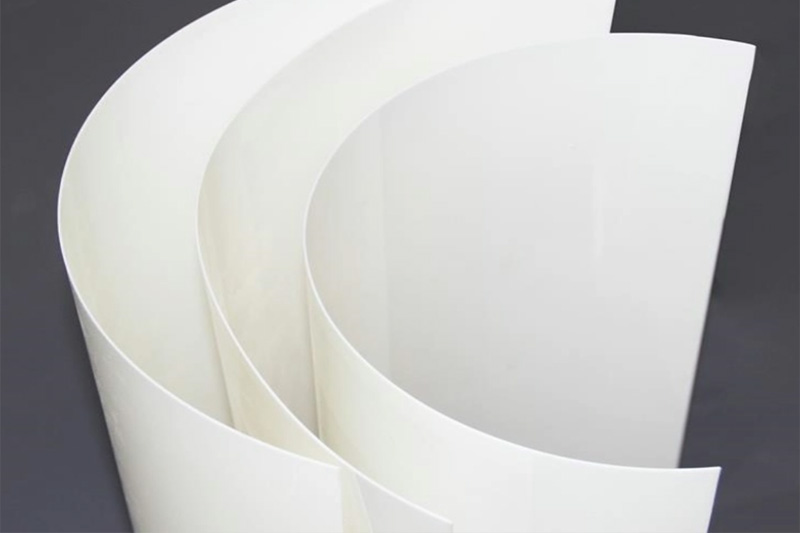
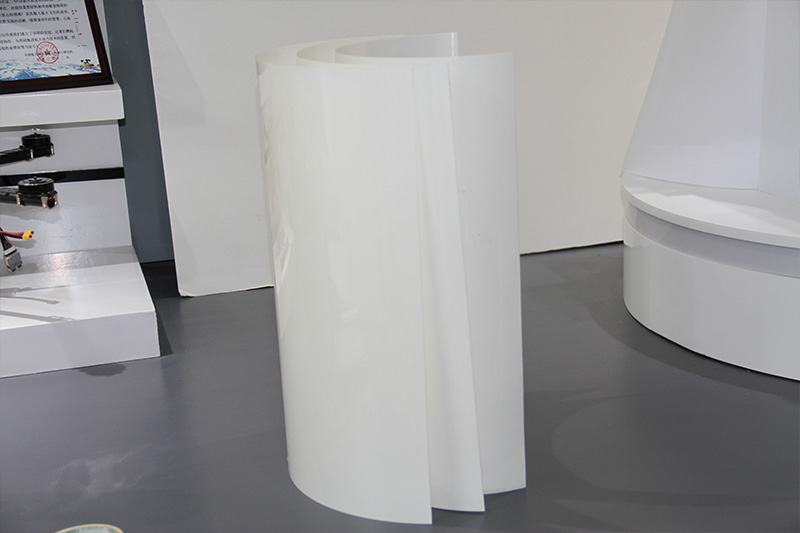
PET composite laminated materials are manufactured using polyethylene terephthalate (PET) film as the base material, combined with Class F adhesives. They are formed through multilayer stacking and hot-press lamination processes.
Performance Characteristics of PET Composite Films
1.Electrical Insulation Performance
The material features high dielectric strength and stable volume resistivity. It can withstand the power-frequency voltage and localized electric field stress encountered during long-term operation of dry-type transformers, reducing the risk of partial discharge and enhancing the overall reliability of the insulation system.
2.Mechanical Strength and Dimensional Stability
PET film itself offers excellent tensile strength and tear resistance. After composite lamination, the material is resistant to deformation during winding assembly, pressing, and operational vibration, ensuring the structural stability of transformer windings.
3.Thermal Resistance
The standard construction of this material meets Class A (105 °C) thermal requirements. With optimized structures, it can be adapted to insulation systems of dry-type transformers with higher thermal classes.
4.Processing Adaptability
With a smooth surface and uniform thickness, the material is easy to slit, punch, and wrap. It is well suited to automated winding and assembly processes, helping improve production efficiency and reduce material waste.
Application of PET Composite Film in Dry-Type Transformers
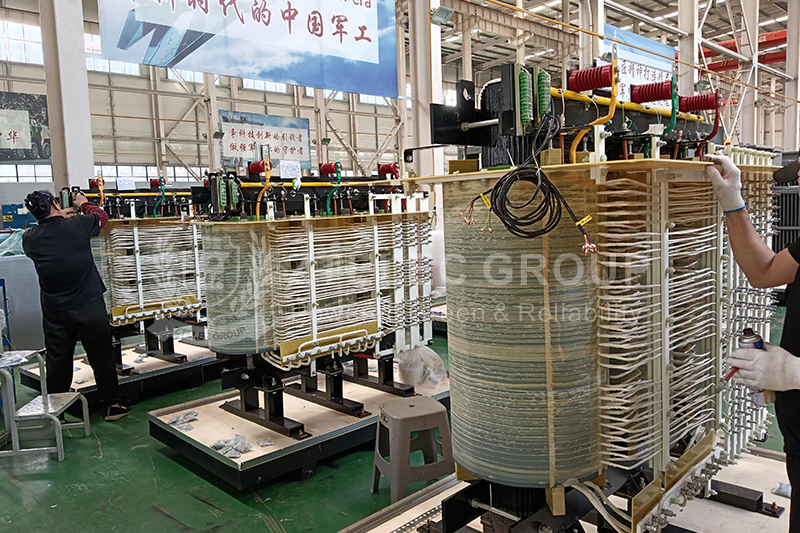
1. Winding Insulation
Interlayer insulation: The material is supplied in thin gauges of 0.1–0.5 mm to achieve insulation between winding layers, preventing turn-to-turn short circuits.
End insulation and reinforcement: It is used to fix and insulate winding ends, preventing electric field concentration and reducing the risk of partial discharge.
2. Slot Insulation and Barriers
Core slot insulation: The material serves as an insulating liner inside core slots, isolating the windings from the core.
Phase-to-phase barriers: It is applied as interphase insulation in multi-phase transformers to avoid phase-to-phase short circuits or arcing faults.
3. Supports and Structural Components
Insulating spacers and blocks: Spacers and blocks made from this material support the windings, maintain required clearances, and provide insulation.
Insulation of connections: The material is used to wrap busbar joints and tap changer connections, ensuring safe isolation of live parts.
4. Integrated Insulation System
In epoxy resin cast dry-type transformers, the material is used as inserts or structural formers, combining with epoxy resin to form an integrated insulation structure.
Recommendations for Selecting PET Composite Film
When selecting PET composite laminates, the following four aspects should be carefully considered:
♦ The thermal class must match the insulation class of the transformer.
♦ Thickness and laminate structure should meet the requirements of the rated voltage and mechanical strength.
♦ Electrical performance parameters, such as dielectric strength and withstand voltage, must be verified.
♦ Processing and installation methods should be compatible with existing manufacturing processes.
Proper material selection can enhance transformer operational reliability while achieving an optimal balance between cost and performance.
PET composite film is a preferred material for insulation design in dry-type transformers. Its applications extend from winding insulation to structural support components, ensuring efficient, safe, and durable operation of the equipment.
- more+releated article
- 2026-01-04Common Power Transformer Faults: Causes, Solut
- 2025-12-312026 New Year Holiday Notice
- 2025-12-31Operation, Maintenance, and Service Life Manag
- 2025-12-30How to Select a 100 kVA–500 kVA Distribution
- 2025-12-29The Impact of NHN NMN Composite Insulation on
- 2025-12-26Practical Application of GPO-3 Insulation Boar
- 2025-12-2510kV Transformer Replacement Timeline: Install
- 2025-12-25Low Smoke EN45545 GPO3 UPGM203 Laminated Board
- 2025-12-24Merry Christmas — ZTelecgroup Christmas Cele
- 2025-12-24How to Select a Suitable 50kVA–500kVA Distri
- ELECTRICAL INSULATION BOARD MATERIALS
- ELECTRICAL INSULATION MATERIALS
- POWER TRANSFORMER
- ENAMELED WIRE
- SWITCHGEAR


- transformer overheatingtransformer overloadtransformer short circuitinsulation failure transformertransformer maintenancepower transformer faults11168kVA oil-immersed transformercommercial power transformer500 kVA distribution transformer100 kVA distribution transformerindustrial transformer selectionSingle-Phase Dry-Type Transformer10kV transformer replacementdry type transformer50kVA distribution transformertransformer selection guide500kVA distribution transformer20kV 2500kVA Dry-Type Transformermedium voltage power transformer66kV power transformer66kV transformer applicationsindustrial power transformertransformer manufacturing process upgradeoil-immersed transformer reliabilitypower transformer service life