
Common Power Transformer Faults: Causes, Solutions, and Prevention
Power transformers are essential equipment in modern power systems. They are used for voltage conversion, power transmission, and power distribution. In industrial, commercial, and utility applications, transformers usually operate continuously under varying load conditions.
During long-term operation, transformers are exposed to electrical stress, heat, and environmental factors. Over time, these conditions may lead to different types of faults. If faults are not identified and handled in time, they can affect power supply stability and cause equipment damage or unplanned outages.
This article explains the most common power transformer faults in clear and simple terms. It also introduces effective handling methods, preventive measures, and how proper transformer selection can reduce fault risks.
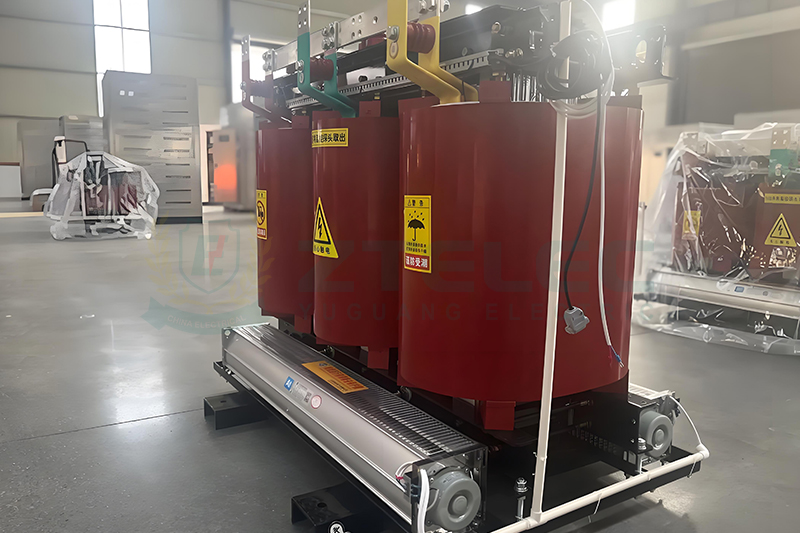
Common Power Transformer Faults and Solutions
Overload Fault
Overload occurs when a transformer operates above its rated capacity. Long-term overload causes excessive internal temperature rise. High temperature accelerates insulation aging and increases the risk of winding damage.
When overload is detected, the load should be reduced immediately. The transformer should operate within its rated load range. If overload happens frequently, load redistribution or installing additional transformers should be considered to ensure stable operation.
Transformer Oil Overheating
Transformer oil is used for cooling and insulation. When oil temperature becomes too high, insulation performance decreases and oil aging accelerates. In severe cases, overheating may create safety risks.
Oil overheating is usually caused by overload, poor heat dissipation, cooling system failure, or high ambient temperature. If abnormal oil temperature is found, the transformer should be shut down for inspection. Oil level, oil quality, cooling fans, oil pumps, and ventilation conditions should be checked and improved if necessary.
Insulation Failure
Insulation failure is one of the most serious transformer faults. It is commonly caused by moisture ingress, oil contamination, long-term overheating, or aging insulation materials.
When insulation performance declines, leakage current and short circuits may occur. In case of insulation failure, the transformer must be disconnected immediately. Insulating oil should be tested and replaced if required. Solid insulation components should also be inspected and renewed. Regular insulation testing helps detect problems early.
Short Circuit Fault
Short circuit faults may occur due to winding deformation, insulation breakdown, loose internal connections, or external power system disturbances. These faults generate very high thermal and mechanical stress inside the transformer.
Once a short circuit occurs, the power supply must be cut off immediately. Internal components such as windings and terminals should be inspected to locate the fault. Severely damaged parts usually need repair or replacement before the transformer can be safely returned to service.
Mechanical Failure
Transformers contain mechanical components such as cooling fans, oil pumps, tap changers, and supporting structures. After long-term operation, these components may wear, corrode, or loosen.
Mechanical failures often reduce cooling efficiency and may lead to overheating. Regular inspection helps identify abnormal noise, vibration, or performance changes. Faulty mechanical parts should be repaired or replaced in time.
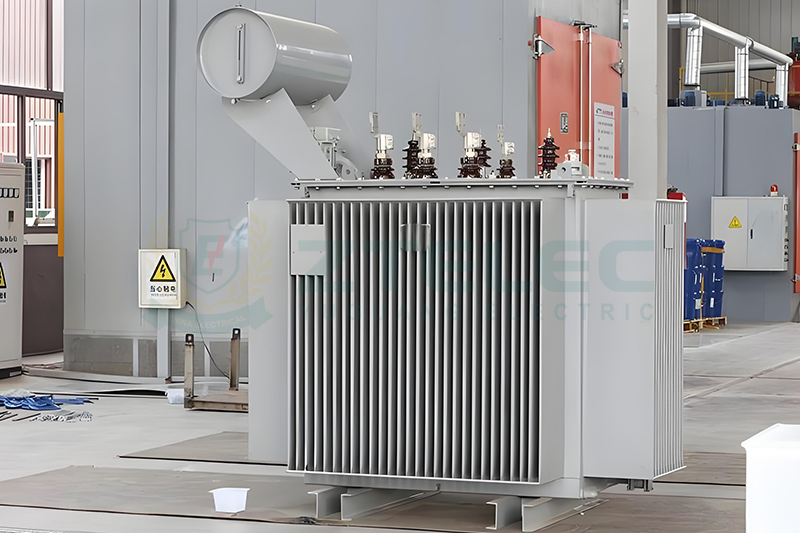
Preventive Measures for Transformer Faults
Regular Inspection and Maintenance
Regular inspection and maintenance are essential for reliable transformer operation. Cooling systems, insulation condition, oil quality, and electrical connections should be checked on a scheduled basis. Keeping the transformer clean improves ventilation and heat dissipation.
Online Monitoring and Early Warning
Many modern transformers are equipped with online monitoring systems. These systems monitor temperature, current, oil level, and insulation condition in real time. Early warning alarms allow operators to take action before minor issues develop into serious faults.
Proper Load Management
Transformers should operate within their rated load range. Long-term overload should be avoided. Reasonable load planning reduces thermal stress and helps extend transformer service life.
Suitable Operating Environment
Transformers should be installed in dry, clean, and well-ventilated locations. Avoid high humidity, dust, and extreme temperatures. A suitable operating environment reduces fault risk and improves long-term reliability.
Transformer Solutions for Reliable Operation
Most power transformer faults are closely related to overload operation, insufficient cooling, insulation aging, and improper installation. Selecting the right transformer design and quality components from the beginning is one of the most effective ways to reduce fault risks.
High-quality power transformers are designed to operate stably under long-term load conditions. Optimized cooling systems, reliable insulation structures, and strict manufacturing control help minimize common faults such as overheating, insulation failure, and short circuits.
Oil-Immersed Power Transformers
Oil-immersed transformers offer excellent cooling performance and stable insulation characteristics. They are widely used in substations, industrial facilities, and outdoor power distribution systems where continuous operation and higher load capacity are required.
Efficient oil circulation and temperature control help reduce thermal stress and slow insulation aging, making oil-immersed transformers suitable for demanding applications.
Dry-Type Transformers
Dry-type transformers use air cooling and solid insulation materials. They are commonly installed in commercial buildings, factories, tunnels, and indoor power distribution systems.
With no oil leakage risk and simplified maintenance, dry-type transformers help reduce fire hazards and mechanical failures, especially in environments with strict safety requirements.
Power transformers play a critical role in electrical power systems. Most transformer faults can be avoided through proper operation, regular maintenance, and early fault detection.
By understanding common transformer fault types and selecting suitable transformer solutions, operators can improve system reliability, reduce downtime, and ensure long-term stable power supply.
Need Technical Support or Transformer Selection Advice?
If you are experiencing transformer faults or planning a new power project, proper transformer selection and system design can significantly reduce operational risks.
Our engineering team provides technical consultation, transformer selection support, and customized solutions based on load requirements and installation conditions.
Contact us to discuss your project and receive professional transformer recommendations.
1250kVA oil immersed transformer price
1600kVA oil immersed transformer
FR4 Machined Parts
1250kVA oil immersed transformer
Filament Wound Epoxy Tube
- more+releated article
- 2026-02-281250kVA Oil-Immersed Transformer Price and Cos
- 2026-02-27Detailed Explanation of FR4 Machined Parts Mac
- 2026-02-27Custom 1600kVA Oil Immersed Transformer Manufa
- 2026-02-26Precision FR4 Machined Parts for Electrical In
- 2026-02-26High-Quality Industrial 1250kVA Oil-Immersed T
- 2026-02-25Why is Filament Wound Epoxy Tube More Expensiv
- 2026-02-25XUJUE ELECTRICAL Officially Resumes Operations
- 2026-02-25Solar Duty Transformer: Sizing Challenges, Inv
- 2026-02-11Ztelecgroup Annual Gala Successfully Held
- 2026-02-10G10 epoxy board in the insulation parts of ele
- ELECTRICAL INSULATION BOARD MATERIALS
- ELECTRICAL INSULATION MATERIALS
- POWER TRANSFORMER
- ENAMELED WIRE
- SWITCHGEAR



1250kVA oil immersed transformer price
1600kVA oil immersed transformer
FR4 Machined Parts
1250kVA oil immersed transformer
Filament Wound Epoxy Tube
solar duty transformer
G10 epoxy board
G10 Fiber Sheet
G10
G11 epoxy sheet
G11 Fiber Sheet
Laminated wood
electrical laminated wood
Black FR4 Anti-Static Fiberglass Board
FR4 anti-static fiberglass board
Black FR4 Anti-static Board
ddp
DDP diamond dot paper
DDP Diamond Dotted Paper
DDP diamond dotted paper supplier
Electrical Paper Pressboard
3240 fiberglass sheet
FR4
Factory Insulation Paper
FR4 epoxy board