
The Impact of NHN NMN Composite Insulation on Motor Performance
The reliability of the insulation system directly determines the lifespan, safety, and operating efficiency of the motor during its design and manufacturing process. Industrial motors are developing towards higher power density, higher temperature rise, and higher reliability, and traditional single insulation materials can no longer meet practical needs. Due to their excellent electrical and thermal properties, NHN and NMN composite insulation materials are being widely used in various medium and low voltage motors.
This article will analyze the specific impact of NHN NMN composite insulation on motor performance, providing reference for engineering selection and procurement decisions from multiple dimensions.
Overview of NHN NMN Composite Insulation Materials
1. NHN Composite Insulation Structure
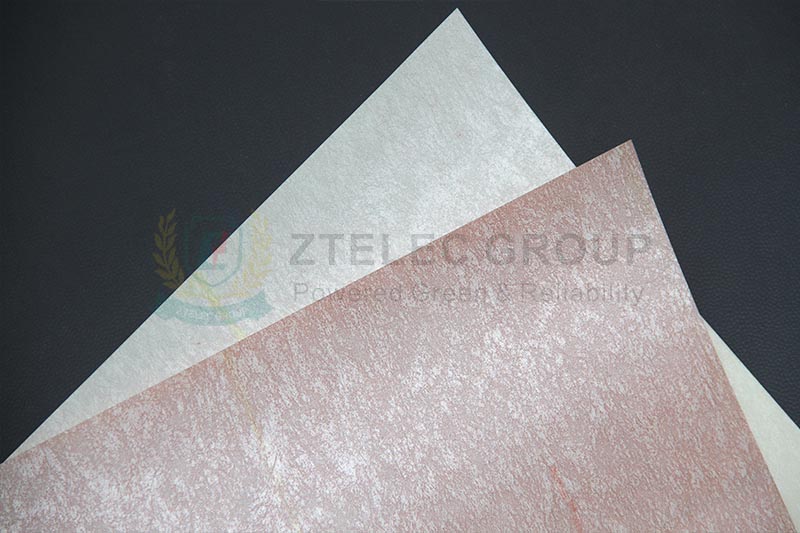
NHN belongs to Class H (180℃) heat-resistant insulation materials. It is typically composed of Nomex + Polyimide film + Nomex composite. Main characteristics:
High heat resistance
Excellent dielectric strength
Stable long-term thermal aging performance

2. NMN Composite Insulation Structure
NMN is composed of Nomex + Polyester film + Nomex composite. It is primarily used in Class F (155℃) or near-Class H applications. Key features:
Relatively controllable cost
Good flexibility and easy processing
Balance insulation performance and mechanical strength

Impact on Motor Electrical Performance
1. Improved Dielectric Strength
The multi-layered NHN/NMN composite insulation significantly improves voltage withstand capability compared to single-layer insulation paper. It effectively withstands inter-turn voltage, inter-layer voltage, and voltage surges during start-up, shutdown, and frequency conversion. This is particularly crucial for variable frequency motors and high-start-frequency motors.
2. Improved Insulation System Stability
The uniform structure of NHN/NMN allows for a more rational electric field distribution, helping to reduce the risk of partial discharge and thus improving overall machine operational stability.
Impact on Motor Thermal Performance and Lifespan
1. Increased Heat Resistance Grade
The heat resistance grade of insulation materials is highly correlated with motor lifespan.
NHN is suitable for high-temperature, high-load conditions.
NMN is suitable for industrial motors with continuous operation and controllable temperature rise.
Adopting a suitable NHN/NMN insulation scheme can significantly reduce the rate of thermal aging, thereby extending the overall lifespan of the motor.
2. Adaptability to High Power Density Designs
Motor sizes are becoming more compact. Under this trend, NHN/NMN can provide a higher insulation safety margin in a limited space, supporting high power density designs.
Impact on Mechanical Properties and Manufacturing Processes
1. Improved Winding Mechanical Strength
NHN/NMN possesses excellent tensile and tear resistance. It enhances the safety of the winding during winding and expansion processes, reducing insulation damage during manufacturing.
2. Strong Processing Adaptability
NMN is particularly suitable for automated winding and mass production. It reduces processing difficulty and improves the consistency of motor manufacturing.
Impact on Operational Reliability and Maintenance Costs
1. Reduced Failure Rate
A stable composite insulation system effectively reduces the risk of downtime due to insulation aging and breakdown.
2. Reduced Long-Term Maintenance Costs
While the initial material cost of NHN/NMN is slightly higher than ordinary insulating paper, from a life-cycle perspective, it results in fewer motor failures, longer service life, and lower maintenance and replacement costs. The overall TCO (Total Cost of Ownership) is more advantageous.
Application Areas and Selection Recommendations
1. Applications of NHN Insulation:
Medium and high voltage AC motors
Traction motors
Industrial drive motors
High-requirement household appliance motors
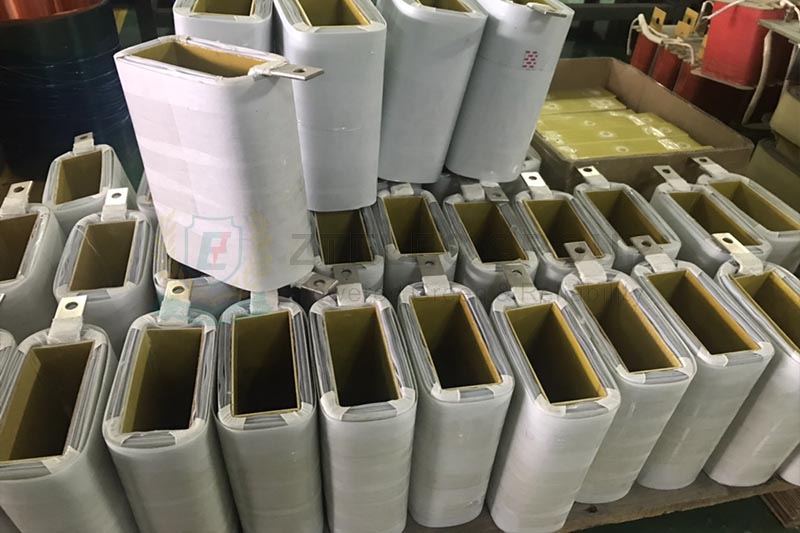
2. Applications of NMN Insulation:
High-frequency variable frequency drive motors
Electric vehicle drive systems
Special motors for extreme environments
Medical equipment with high reliability requirements
NHN NMN composite insulation materials represent a significant advancement in motor insulation technology. By improving heat resistance, electrical strength, and mechanical durability, the power density, efficiency, reliability, and lifespan of motors can be directly enhanced. For motor designers and manufacturers, correctly selecting and applying these advanced insulation materials is a key strategy for improving product performance in a highly competitive market.
1250kVA oil immersed transformer price
1600kVA oil immersed transformer
FR4 Machined Parts
1250kVA oil immersed transformer
Filament Wound Epoxy Tube
- more+releated article
- 2026-02-281250kVA Oil-Immersed Transformer Price and Cos
- 2026-02-27Detailed Explanation of FR4 Machined Parts Mac
- 2026-02-27Custom 1600kVA Oil Immersed Transformer Manufa
- 2026-02-26Precision FR4 Machined Parts for Electrical In
- 2026-02-26High-Quality Industrial 1250kVA Oil-Immersed T
- 2026-02-25Why is Filament Wound Epoxy Tube More Expensiv
- 2026-02-25XUJUE ELECTRICAL Officially Resumes Operations
- 2026-02-25Solar Duty Transformer: Sizing Challenges, Inv
- 2026-02-11Ztelecgroup Annual Gala Successfully Held
- 2026-02-10G10 epoxy board in the insulation parts of ele
- ELECTRICAL INSULATION BOARD MATERIALS
- ELECTRICAL INSULATION MATERIALS
- POWER TRANSFORMER
- ENAMELED WIRE
- SWITCHGEAR
1250kVA oil immersed transformer price
1600kVA oil immersed transformer
FR4 Machined Parts
1250kVA oil immersed transformer
Filament Wound Epoxy Tube
solar duty transformer
G10 epoxy board
G10 Fiber Sheet
G10
G11 epoxy sheet
G11 Fiber Sheet
Laminated wood
electrical laminated wood
Black FR4 Anti-Static Fiberglass Board
FR4 anti-static fiberglass board
Black FR4 Anti-static Board
ddp
DDP diamond dot paper
DDP Diamond Dotted Paper
DDP diamond dotted paper supplier
Electrical Paper Pressboard
3240 fiberglass sheet
FR4
Factory Insulation Paper
FR4 epoxy board