
High-Performance High-Density Electrical Laminated Wood
In power equipment and transmission and transformation systems, the performance of insulating materials directly affects the safety and service life of the equipment. High-performance high-density electrical laminated wood possesses high mechanical strength, stable insulation properties, and good oil resistance, thus it is widely used in oil-immersed transformers, reactors, and various high-voltage electrical equipment. This article will explain this electrical insulation material from the aspects of material definition, performance characteristics, and application scope.
Overview of High-Performance High-Density Electrical Laminated Wood
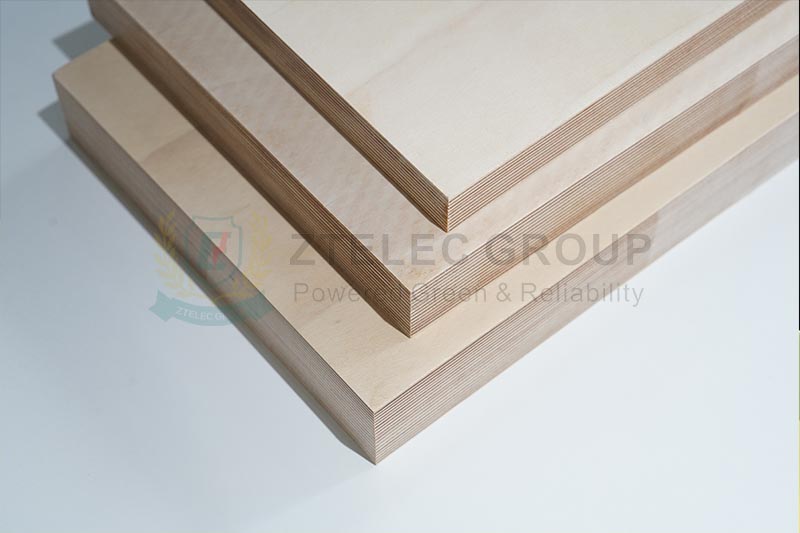
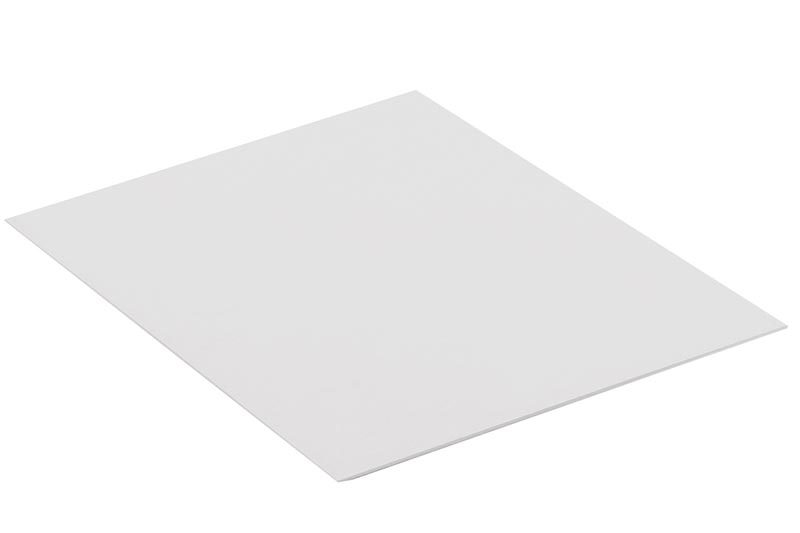
High-performance high-density electrical laminated wood is a composite insulating material made from hardwoods such as birch and beech as the base material. After drying, it is laminated with insulating resin under high temperature and high pressure conditions.
High Performance: Through resin impregnation and hot-press curing processes, this insulating material exhibits improved electrical and mechanical properties, as well as resistance to moisture, chemical corrosion, and high-temperature deformation.
High Density: Utilizing a high-pressure molding process, the internal pores of the wood are filled and compacted with resin, resulting in a material density typically exceeding 1.2 g/cm³. Higher density helps improve the mechanical strength and dimensional stability of materials, reducing shrinkage or expansion caused by changes in environmental humidity.
Performance Characteristics of High-Performance High-Density Electrical Laminated Wood
1.High Mechanical Strength
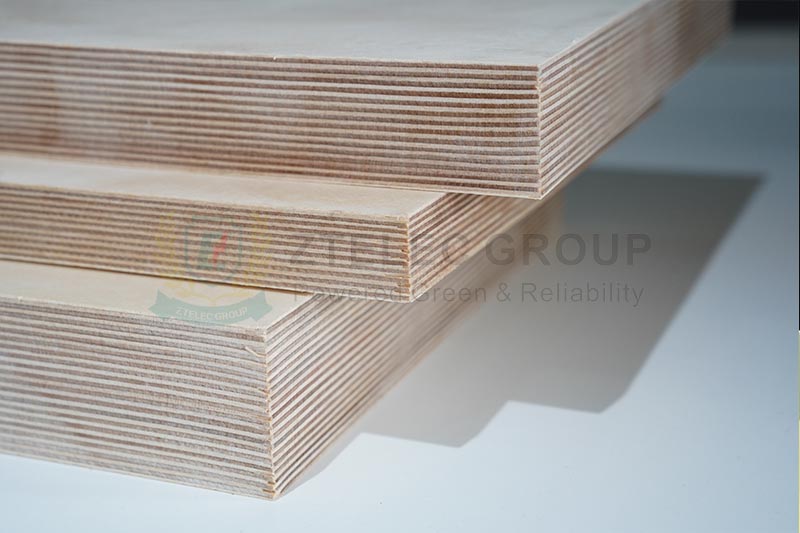
The laminated structure gives the material good resistance to compression, bending, and impact, enabling it to withstand the electrodynamic and mechanical stresses generated during transformer operation.
2.Stable Electrical Insulation Performance
Electrical laminated wood has high dielectric strength and volume resistivity, maintaining stable insulation performance even in transformer oil and high-humidity environments.
3.Excellent Oil and Heat Resistance
After resin impregnation, laminated wood can operate in transformer oil for extended periods without delamination or expansion. It is suitable for insulation systems of Class B, Class F, and higher heat resistance grades.
4.Easy to Machining
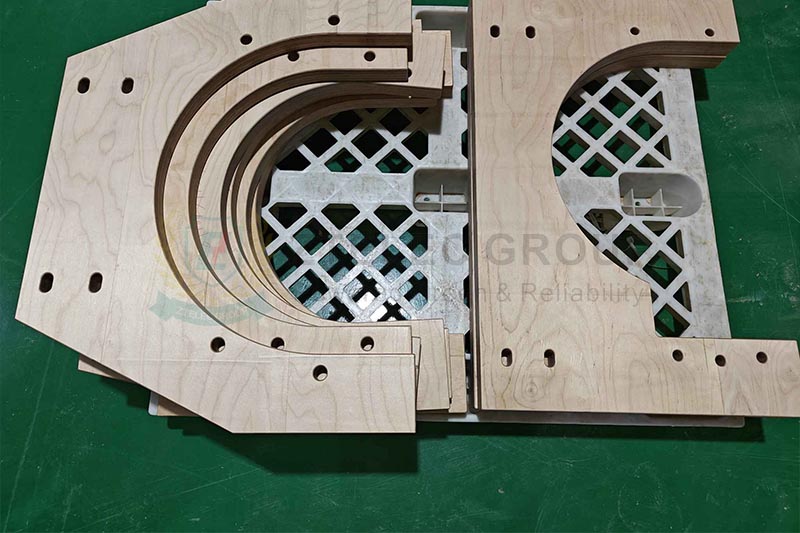
Electrical laminated wood can be cut, drilled, milled, and shaped, meeting the machining needs of complex structural components.
Applications of High-Performance, High-Density Electrical Laminated Wood
1.Power Transformers
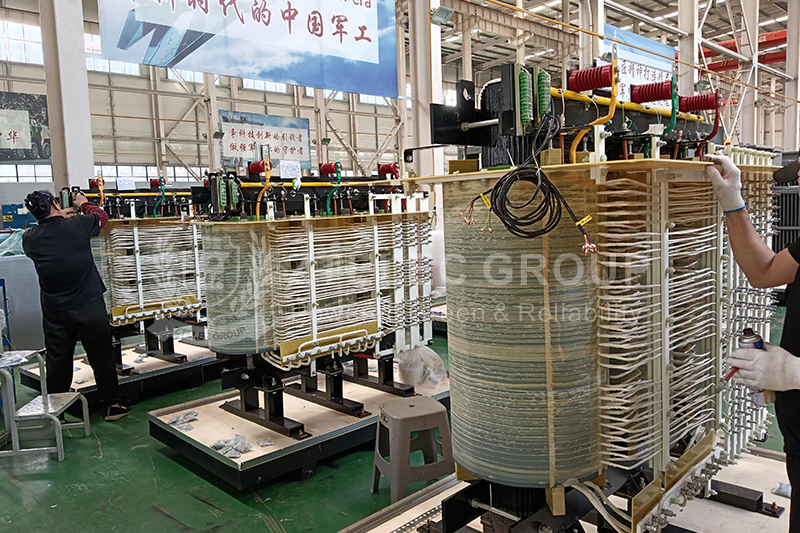
Electrical laminated wood can be used for components such as insulating plates, winding supports, pads, end rings, and lead wire supports. It is an important component of the internal mechanical support and insulation structure of transformers.
2.High-Voltage Switchgear
Electrical laminated wood is used for components such as insulating rods, operating mechanism parts, and supporting insulators in circuit breakers and disconnectors. It meets the equipment's requirements for strength and insulation.
3.Reactors and Motors
This material is used as air gap pads, slot wedges, and structural supports, contributing to stable equipment operation.
4.Rail Transit and New Energy
Electrical laminated wood is used in the insulation structures of traction transformers, wind power transformers, and photovoltaic inverters to adapt to the operating conditions of these equipment.
5.Industrial Equipment
In heavy electrical equipment in metallurgy, mining, and other industries, electrical laminated wood is used to manufacture components requiring high strength and insulation performance.
Standards and Certifications for High-Performance High-Density Electrical Laminate Wood
This material must meet the following relevant standards and certification requirements:
IEC 61061, DIN 7735, ASTM D143 / D570
GB/T 5132
RoHS, REACH
These standards and certifications ensure that the material meets the safety and reliability requirements of power projects.
Selection Considerations for High-Performance High-Density Electrical Laminate Wood
Material Grade
Select products with the corresponding heat resistance grade based on the equipment's operating temperature, such as Grade E, Grade B, Grade F, or Grade H.
Density Index
Density affects the material's mechanical properties. Products with a density higher than 1.3 g/cm³ are suitable for heavy-duty structural components. Products with a density between 1.2-1.3 g/cm³ are suitable for general insulation structural components.
Resin Content and Type
Common resin types include phenolic resin. Polyester or epoxy resins can be used for special applications. Resin content is an important factor affecting the material's mechanical and electrical properties.
Certification Standards
Ensure products comply with relevant international standards, such as IEC 60893, NEMA LI 1-1998, or customer-specified certification requirements such as UL and CSA.
Supplier Capabilities
Select suppliers with professional processing services (such as pre-cutting and custom molding) and the ability to provide technical support and complete quality documentation.
High-performance, high-density electrical laminate wood is a key insulation material in electrical equipment. With its high strength, stable insulation performance, good oil resistance, and long-term reliability, this material has become a commonly used insulation material for high-voltage transformers and high-end electrical equipment.
| Looking for a high-performance, high-density electrical laminate wood supplier?
We recommend choosing a partner with industry experience, products that meet international standards, and the ability to perform precision machining according to drawings. Please contact us for detailed technical information, product samples, and customized solutions.
- more+releated article
- 2026-01-14Oil-Immersed Transformer Production Line: Equi
- 2026-01-14High-Performance High-Density Electrical Lamin
- 2026-01-13Rising Resin Costs Put Pressure on the Semicon
- 2026-01-13Transformer Manufacturing Production Line Proc
- 2026-01-12A Specialized Manufacturer of Oil-Immersed Tra
- 2026-01-09Application Analysis of 11168kVA Oil-Immersed
- 2026-01-08Epoxy Pre-impregnated DMD vs. DMD: Key Differe
- 2026-01-08Why Oil Type Transformers Are Still a Core Com
- 2026-01-08Insulation Paper Production Cost and Profit An
- 2026-01-08How do the processing characteristics of DMD p
- ELECTRICAL INSULATION BOARD MATERIALS
- ELECTRICAL INSULATION MATERIALS
- POWER TRANSFORMER
- ENAMELED WIRE
- SWITCHGEAR

- electrical laminated woodoil-immersed transformer production linetransformer manufacturing production lineInsulation materialsVehicle Drive Systemspower transformer factoryoil-immersed transformer manufacturerindustrial oil immersed transformerutility transformer supplierSMC Sheetsoil immersed power transformersubstation transformer application11168kVA oil immersed transformerdmdinsulation paperDMD PrepregThree-Phase Dry-Type Isolation TransformerGlass Fiber Wound TubeG10 Glass Fiber Filament Winding TubeSMC Insulation BoardsInsulation Paper NMNsubstation transformerPower transformervoltage conversion transformertransformer structure