
Rising Resin Costs Put Pressure on the Semiconductor and Electronics Industries
Recently, the global insulation materials supply chain has been facing a new round of cost pressure. Driven by the continuous increase in petrochemical raw material prices—especially the rising production costs of key insulation resins such as epoxy resin and phenolic resin—the prices of board materials including PCB laminates, epoxy sheets, and G10/G11 epoxy glass fiber sheets have also increased significantly. This market change is having a widespread and long-lasting impact on the semiconductor and electronics industries.
Background
Epoxy resin and phenolic resin are essential raw materials for electronic insulation laminates and high-frequency PCBs. Their prices are closely linked to global petrochemical market trends, energy costs, and supply chain stability. In recent years, rising global energy prices, tighter crude oil supply, and production cuts or maintenance shutdowns at major resin manufacturers have led to a tightening supply–demand balance in the resin market, resulting in continuous price increases.

Impact on the Prices of Laminate Materials
Epoxy resins and composite materials account for approximately 40%–60% of the total cost of PCB substrates and epoxy glass fiber laminates. The rise in raw material prices has directly led to the following results:
Price increases for epoxy laminates such as G10/G11 and FR-4;
The rising cost of epoxy glass cloth composite materials, commonly used in PCB and high-frequency boards, has directly driven up the overall board prices;
Greater cost pressure on small-batch customized laminates;
More significant price increases for high-end specialty insulation laminates, such as those with high heat resistance and low dielectric loss, due to their higher proportion of raw material costs.
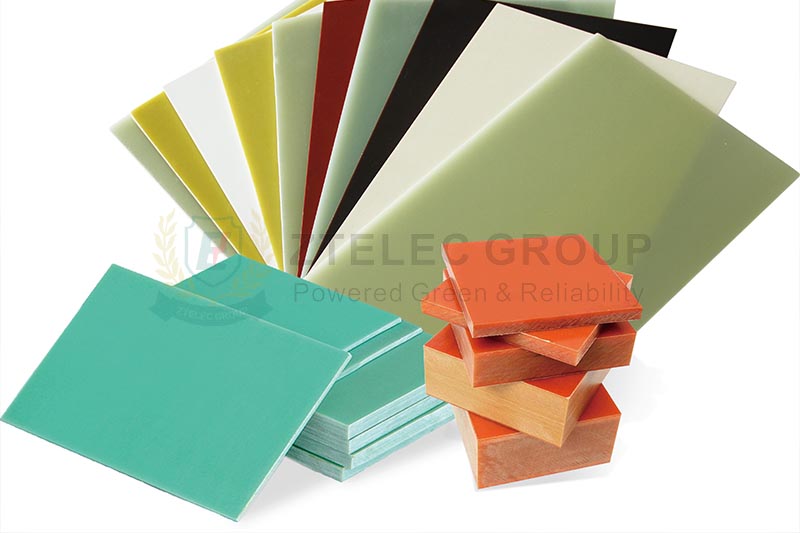
The rising prices of laminate materials mean that manufacturers of semiconductor packaging substrates, power electronic modules, and high-frequency communication boards are also facing substantial cost pressure.
This cost pressure is now being transmitted downstream along the industrial supply chain:
For the Semiconductor Packaging Industry
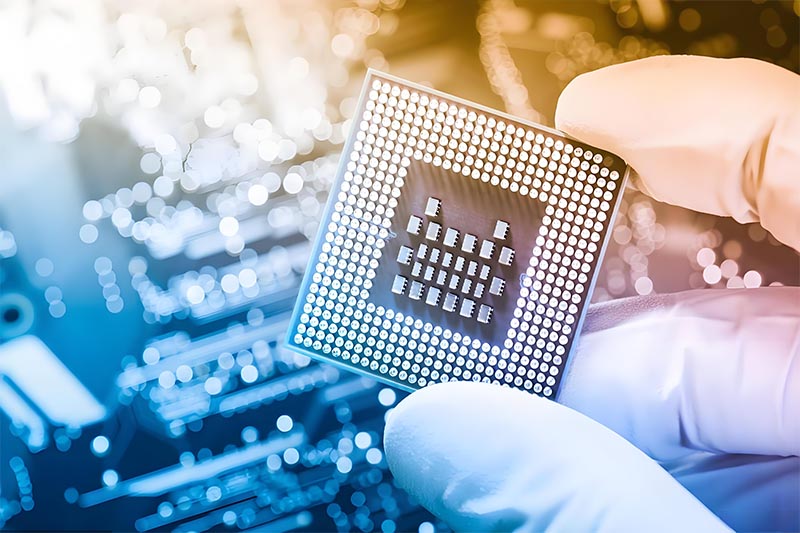
High-end substrate materials such as FC-BGA and ABF are in strong market demand. These materials have high technical barriers and highly concentrated supply sources. Rising resin prices further increase the cost pressure on packaging substrates, which may affect the pace of capacity expansion and cost control of advanced packaging technologies.
For the PCB Manufacturing Industry
The PCB industry is highly sensitive to cost fluctuations. The sharp rise in raw material prices has significantly compressed the profit margins of small and medium-sized PCB manufacturers. As a result, many suppliers are forced to renegotiate prices with downstream customers, potentially accelerating industry consolidation.

Rising raw material resin prices are the direct driver behind the increasing costs of laminate products. The semiconductor and electronics industries are now facing the dual challenges of rising costs and growing supply chain instability. Given the strong dependence of the electronics supply chain on upstream raw materials, companies must plan ahead to mitigate the long-term impact of raw material price volatility.
- more+releated article
- 2026-01-13Rising Resin Costs Put Pressure on the Semicon
- 2026-01-13Transformer Manufacturing Production Line Proc
- 2026-01-12A Specialized Manufacturer of Oil-Immersed Tra
- 2026-01-09Application Analysis of 11168kVA Oil-Immersed
- 2026-01-08Epoxy Pre-impregnated DMD vs. DMD: Key Differe
- 2026-01-08Why Oil Type Transformers Are Still a Core Com
- 2026-01-08Insulation Paper Production Cost and Profit An
- 2026-01-08How do the processing characteristics of DMD p
- 2026-01-08150KVA Three-Phase Dry-Type Isolation Transfor
- 2026-01-08Specific Applications of Glass Fiber Wound Tub
- ELECTRICAL INSULATION BOARD MATERIALS
- ELECTRICAL INSULATION MATERIALS
- POWER TRANSFORMER
- ENAMELED WIRE
- SWITCHGEAR


- transformer manufacturing production lineVehicle Drive SystemsInsulation materialsutility transformer supplierpower transformer factoryoil-immersed transformer manufacturerindustrial oil immersed transformerSMC Sheetssubstation transformer application11168kVA oil immersed transformeroil immersed power transformerdmdinsulation paperDMD PrepregThree-Phase Dry-Type Isolation TransformerGlass Fiber Wound TubeG10 Glass Fiber Filament Winding TubeSMC Insulation BoardsInsulation Paper NMNsubstation transformertransformer working principlePower transformertransformer structurevoltage conversion transformeroil conservator tank