
Design Strategies for Prefabricated Substations in Harsh Environments
Prefabricated substations, also known as box-type substations, are compact, modular power distribution systems that integrate high-voltage switchgear, dry-type transformers, and low-voltage distribution units. Their small footprint, rapid deployment, and flexible installation make them ideal for urban distribution and residential zones. However, deploying them in harsh environments—such as coastal regions, deserts, tidal flats, and hilltops—requires careful design to ensure long-term operational stability and equipment longevity.
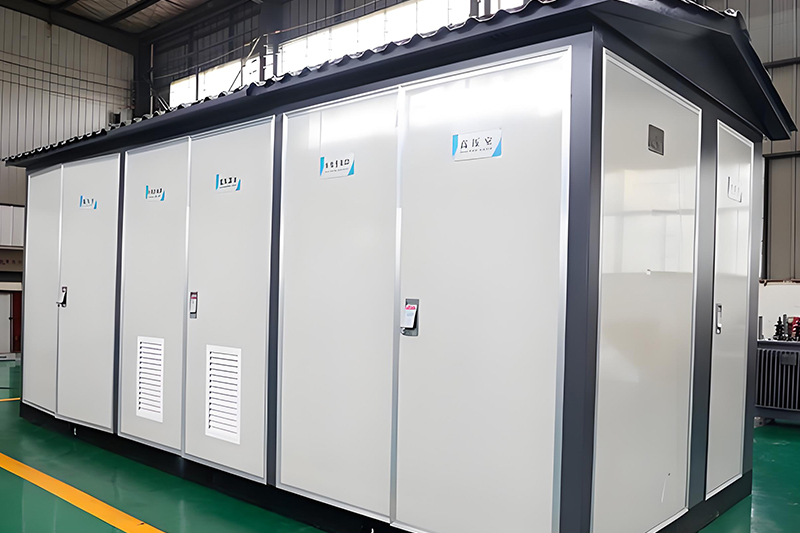
1. Enclosure Protection and Corrosion Resistance
Material Selection and Structural Design
To withstand corrosive and physically challenging conditions, enclosures should be made from galvanized steel or aluminum alloy with enhanced corrosion resistance. A double-layer structure with fireproof insulation materials like rock wool in the cavity helps reduce heat buildup from direct sunlight. Light-colored coatings are recommended to improve solar reflectivity and thermal performance. Enclosures must meet at least IP23D waterproof and dustproof standards, while complying with the IK10 mechanical impact rating for enhanced physical protection.
Corrosion Prevention Measures
In coastal or high-humidity environments, substations face risks like salt spray corrosion, mold growth, and high UV exposure. Protective coatings, marine-grade paints, and corrosion-resistant hardware should be applied. In desert environments, sand erosion and heat fatigue require heat-resistant coatings and air ventilation designs. Using localized anti-corrosion strategies based on climate conditions helps significantly extend equipment lifespan.
2. Environmental Adaptability Design
Temperature and Humidity Control
For climates ranging from -40°C to +40°C, temperature regulation systems—including air conditioning and dehumidifiers—are essential to maintain optimal operational conditions. Roofs should integrate thermal insulation, proper drainage, and corrosion-resistant materials to balance ventilation and durability.
Dust, Wind, and UV Resistance
In sandstorm-prone areas, enhanced sealing technology prevents dust ingress, protecting internal components. UV-resistant materials and coatings reduce sunlight-induced aging and cracking, helping substations remain functional over extended operational periods.
3. Electrical Safety and System Reliability
Robust Grounding System
A reliable grounding network must be in place, ensuring all metallic, non-current-carrying parts are securely connected to a main grounding conductor. Each component should have an independent grounding circuit, significantly reducing shock hazards and fault current risks.
Internal Arc Fault Mitigation
Substations should employ a dual approach to arc fault safety: proactively minimize fault occurrence through smart protection devices, and passively mitigate arc damage with reinforced enclosure strength. Enclosures must resist explosion pressures to safeguard both equipment and personnel.
Efficient Access and Layout Design
Internal corridors must maintain a minimum width of 800mm to allow safe and efficient maintenance. Doors should open toward evacuation paths, enhancing safety and simplifying access during routine operation or emergency scenarios.
4. Maintenance Optimization and Cost Control
Modular Design for Flexibility
Using a modular layout—dividing components into bays for AC/DC power, battery units, and control devices—streamlines both installation and future upgrades. Quick disassembly and reassembly reduce downtime and enhance maintainability in remote or harsh sites.
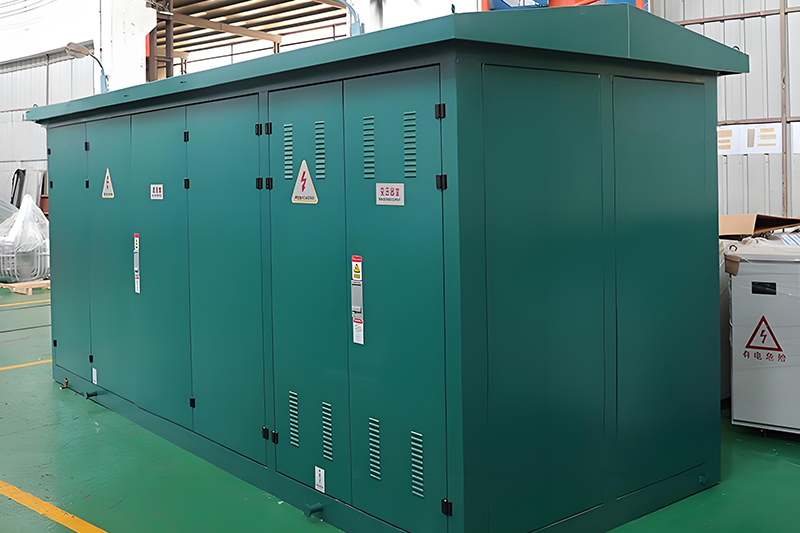
Remote Monitoring and Automation
Advanced "four remote" (telemetry, teleindication, telecontrol, telesetting) capabilities enable real-time monitoring, fault alarms, and automated control. This not only improves system safety and uptime but also reduces the need for on-site interventions.
Cost-Effective Engineering
Standardized interfaces and modular structures reduce construction time and lower civil engineering costs. At the same time, component compatibility enables easier upgrades without full system replacement—balancing technical performance with cost efficiency.
Designing prefabricated substations for harsh environments requires a multidisciplinary approach, considering corrosion resistance, thermal regulation, electrical safety, and maintenance convenience. By implementing targeted design strategies, utilities can ensure the stable, long-term operation of these vital power assets even in the most challenging conditions.
For tailored prefabricated substation solutions optimized for extreme environments, consult an experienced power systems manufacturer who can provide end-to-end support from engineering to after-sales service.
- more+releated article
- 2026-01-04Common Power Transformer Faults: Causes, Solut
- 2025-12-312026 New Year Holiday Notice
- 2025-12-31Operation, Maintenance, and Service Life Manag
- 2025-12-30How to Select a 100 kVA–500 kVA Distribution
- 2025-12-29The Impact of NHN NMN Composite Insulation on
- 2025-12-26Practical Application of GPO-3 Insulation Boar
- 2025-12-2510kV Transformer Replacement Timeline: Install
- 2025-12-25Low Smoke EN45545 GPO3 UPGM203 Laminated Board
- 2025-12-24Merry Christmas — ZTelecgroup Christmas Cele
- 2025-12-24How to Select a Suitable 50kVA–500kVA Distri
- ELECTRICAL INSULATION BOARD MATERIALS
- ELECTRICAL INSULATION MATERIALS
- POWER TRANSFORMER
- ENAMELED WIRE
- SWITCHGEAR

- transformer overheatingtransformer overloadtransformer short circuitinsulation failure transformertransformer maintenancepower transformer faults11168kVA oil-immersed transformercommercial power transformer500 kVA distribution transformer100 kVA distribution transformerindustrial transformer selectionSingle-Phase Dry-Type Transformer10kV transformer replacementdry type transformer50kVA distribution transformertransformer selection guide500kVA distribution transformer20kV 2500kVA Dry-Type Transformermedium voltage power transformer66kV power transformer66kV transformer applicationsindustrial power transformertransformer manufacturing process upgradeoil-immersed transformer reliabilitypower transformer service life