
The Ultimate Guide to Transformer Oil Conservators: Types, Structures, Sealing Methods, and Their Impact on Power System Reliability
Transformer oil conservators are a critical auxiliary component of oil-immersed power transformers. They play a decisive role in regulating oil volume, protecting insulation performance, slowing oil aging, and ultimately ensuring long-term power system reliability. Although often overlooked, the design and sealing performance of an oil conservator directly affect transformer safety, service life, and maintenance costs.
This guide provides a detailed analysis of the working principles, common types, structural components, sealing methods, and maintenance strategies of transformer oil conservators. It is intended for power equipment purchasers, design institutes, EPC contractors, and transformer operation and maintenance engineers.
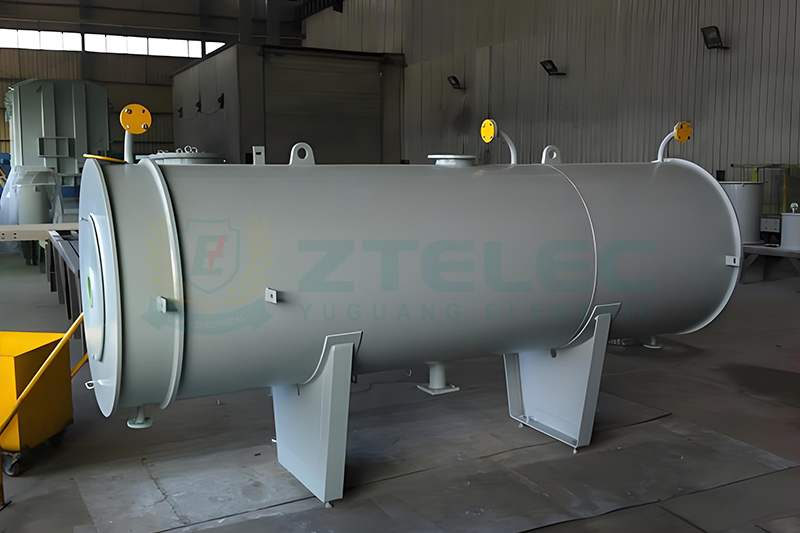
Core Functions of Transformer Oil Conservators
Oil conservators are typically installed at the top of the transformer tank and connected to the main tank via an oil pipe. Their primary functions include compensating for oil volume changes caused by temperature fluctuations, isolating insulating oil from ambient air, maintaining stable internal pressure, and extending the overall lifespan of the transformer.
By accommodating thermal expansion and contraction of insulating oil, the conservator prevents abnormal pressure rise or oil shortage within the main tank. At the same time, effective isolation from air significantly reduces oxidation and moisture ingress, which are key factors accelerating insulation deterioration.
Main Types and Structural Characteristics of Oil Conservator Tanks
Open-Type Oil Conservator Tanks
Traditional open-type oil conservators are connected to the atmosphere through a breather device. They usually rely on a simple air cushion or diaphragm to accommodate oil expansion. This design is cost-effective and structurally simple, but it allows limited contact between oil and air, increasing the risk of moisture absorption and oxidation. As a result, open-type conservators are gradually being phased out in modern power systems.
Sealed Oil Conservator Tanks
Sealed oil conservators are designed to completely or largely isolate insulating oil from ambient air, significantly improving oil stability and transformer reliability.
The metal bellows type, also known as the capsule type, uses stainless steel bellows to separate oil from air. It offers excellent sealing performance and low routine maintenance requirements, though long-term fatigue or aging of the bellows must be monitored.
The rubber diaphragm or bladder type isolates oil from air using flexible rubber components. This design provides strong adaptability and large volume compensation capacity. Regular inspection of diaphragm integrity is essential to prevent hidden sealing failures.
Fully sealed nitrogen-purified oil conservators use nitrogen gas above the oil surface to balance pressure and eliminate oxygen exposure. This method offers superior anti-oxidation performance but comes with higher structural complexity and initial investment.
Intelligent Monitoring Oil Conservators
Modern intelligent oil conservators integrate sensors for oil level, temperature, and pressure. These systems support remote monitoring and predictive maintenance, helping utilities identify early-stage faults and reduce unplanned transformer outages.
Typical Structural Components of an Oil Conservator
A standard transformer oil conservator consists of a steel tank body manufactured by welding or flange connection, an internal rubber bladder or diaphragm assembly, and an oil level gauge that may be magnetic or pointer-based.
Additional components include a breather interface equipped with a silica gel desiccant, drain and vent valves for maintenance, oil pipes, and shut-off valves. The overall structural design directly influences sealing reliability, operational stability, and ease of inspection.
Sealing Methods of Transformer Oil Conservators
The sealing method is one of the most important performance indicators of an oil conservator.
Air-through sealing exposes the oil surface directly to ambient air, making the oil vulnerable to moisture and oxygen contamination. This method is now considered outdated and unsuitable for modern power systems.
Semi-sealed designs use breathers with silica gel desiccants to filter incoming air. While moisture ingress is reduced, oxygen exposure cannot be completely eliminated, limiting long-term oil stability.
Fully sealed designs employing rubber bladders, diaphragms, or metal bellows completely isolate oil from air. This approach maximizes insulation oil performance and is currently the mainstream configuration for medium and high-voltage transformers.
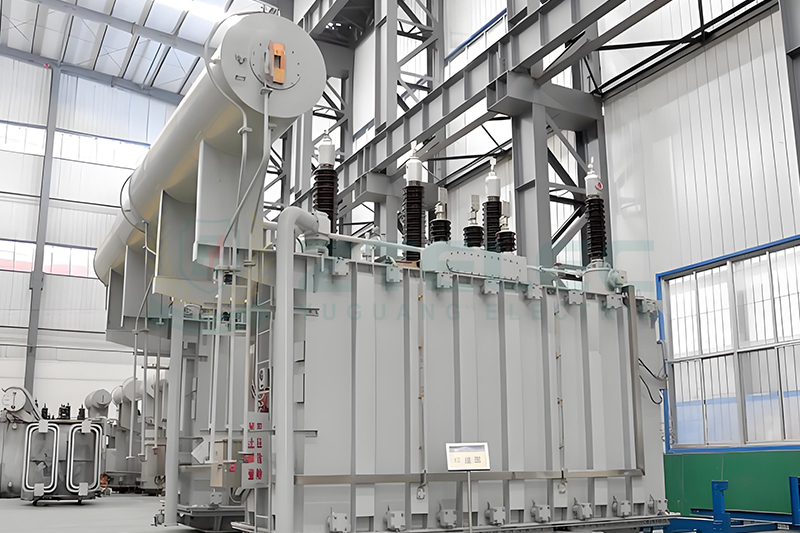
Impact of Oil Conservators on Power System Reliability
By stabilizing oil volume and pressure, oil conservators prevent insulation exposure and abnormal internal stress. Their sealing structures slow down oil oxidation and moisture absorption, preserving dielectric strength and thermal performance.
Stable oil levels reduce the risk of partial discharge, insulation breakdown, and overheating, thereby extending transformer service life and lowering long-term maintenance costs.
At the system level, reliable oil conservator operation reduces transformer failure rates, minimizes unplanned power outages, and supports continuous and stable power supply under varying environmental conditions.
Key Selection Considerations
When selecting an oil conservator, capacity matching is critical. The conservator volume is generally recommended to be 8% to 12% of the total transformer oil volume.
Environmental adaptability should also be considered. Fully sealed conservators are strongly recommended for humid or heavily polluted environments, while regions with large temperature variations require sufficient volume compensation capability.
Cost evaluation should balance initial investment with long-term maintenance expenses. For new substations or smart grid projects, oil conservators with intelligent monitoring functions are increasingly preferred.
Maintenance and Inspection Recommendations
Routine inspections should include monthly checks of oil level indication, sealing condition, and silica gel color in the breather. Oil quality testing, including moisture content and dissolved gas analysis, is recommended at least once per year.
Comprehensive sealing integrity inspections should be conducted every three to five years. Wear-prone components such as rubber diaphragms and bladders should be replaced according to the manufacturer’s recommended service intervals.
Common Faults and Troubleshooting
Abnormal oil level readings may indicate oil leakage or faulty gauges and should be investigated promptly. Blocked breathers often result from saturated silica gel or pipeline obstruction and require immediate replacement or cleaning.
If dissolved gas content in the oil rises abnormally, sealing failure should be suspected, and the conservator sealing system must be inspected without delay.
Although transformer oil conservators are auxiliary components, they are indispensable for ensuring the long-term safe and reliable operation of oil-immersed transformers. Proper selection, effective sealing design, and systematic maintenance of oil conservators can significantly enhance transformer stability and strengthen the overall resilience of power systems.
- more+releated article
- 2026-01-07NHN/NH Flexible Composite Insulation Paper for
- 2026-01-07The Ultimate Guide to Transformer Oil Conserva
- 2026-01-06Why are SMC insulation sheets widely used in d
- 2026-01-06Why Hospitals, Subways, and Data Centers Choos
- 2026-01-066-10kV High Voltage Switchgear Cabinet for Med
- 2026-01-06G10 Epoxy Board: An Innovative Solution for El
- 2026-01-06Analysis of Energy-Saving and Noise Control Te
- 2026-01-06G10 Epoxy Sheet: The Preferred Insulation Mate
- 2026-01-063240-B Epoxy Phenolic Glass Fiber Cloth Lamina
- 2026-01-06Are Three-Phase Isolation Dry-Type Transformer
- ELECTRICAL INSULATION BOARD MATERIALS
- ELECTRICAL INSULATION MATERIALS
- POWER TRANSFORMER
- ENAMELED WIRE
- SWITCHGEAR



- transformer oil conservatorpower transformer accessoriesoil conservator tankOil immersed transformerChina transformer manufacturersglobal power transformersChinese-made power transformersenergy efficiency transformerspower transformer selectiontransformer procurement mistakestransformer overloadtransformer maintenanceinsulation failure transformertransformer overheatingtransformer short circuitpower transformer faults11168kVA oil-immersed transformer100 kVA distribution transformercommercial power transformer500 kVA distribution transformerindustrial transformer selectionSingle-Phase Dry-Type Transformer10kV transformer replacement50kVA distribution transformer500kVA distribution transformer