
NHN/NH Flexible Composite Insulation Paper for Motors
In modern motor manufacturing, the performance of the insulation system directly affects the reliability, service life, and operational safety of the motor. As motors develop towards higher efficiency, higher power density, and longer lifespan, traditional single-material insulation materials are no longer sufficient to meet current application demands. NHN/NH flexible composite insulation paper for motors, with its high heat resistance, good electrical properties, and mechanical strength, has become an important supporting material for mid-to-high-end motor insulation systems.
This article systematically introduces the structural composition, performance characteristics, typical application scenarios, and selection points of NHN/NH composite insulation paper, providing technical reference for motor manufacturers, insulation material procurement personnel, and engineering technicians.
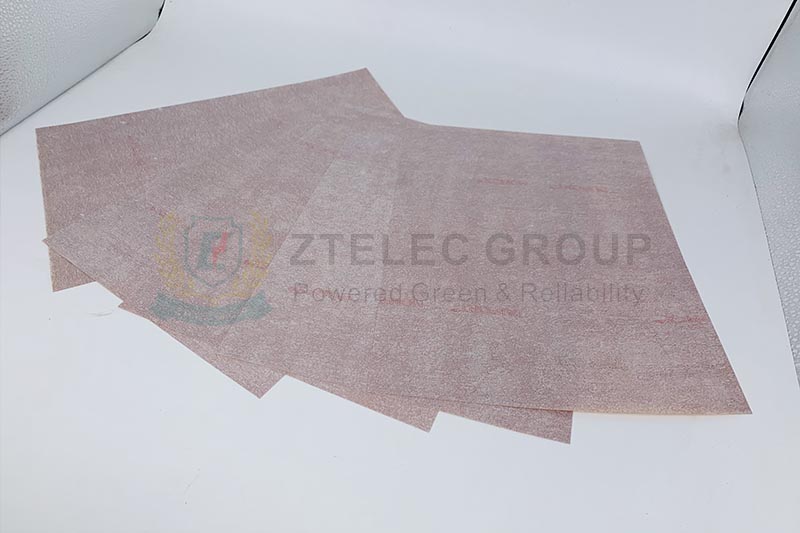
NHN/NH flexible composite insulation paper belongs to multi-layer composite insulation materials. It is generally made by laminating high-strength insulation paper with substrates such as polyimide film (PI) and aramid paper (Nomex). This material combines the properties of multiple substrates through a composite structure:
♦ N: Represents a material with a polyimide film on one side
♦ H: Represents a material with aramid paper or high-performance insulating paper as the middle layer
♦ N: Represents a material with a polyimide film on the other side
♦ NH structure: Represents a material with a polyimide film on one side and aramid paper on the other side
Based on the above composite structure, this material exhibits excellent electrical insulation, mechanical strength, and heat resistance, and maintains stable performance under harsh operating conditions.
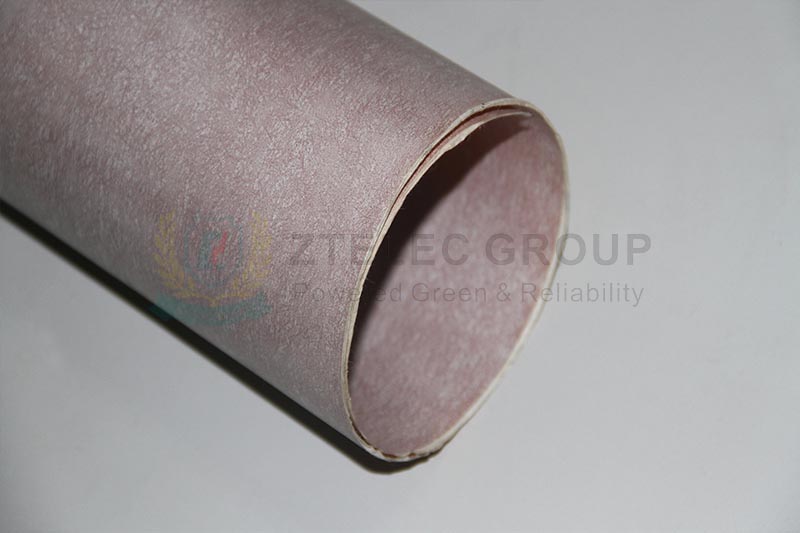
Key Performance Characteristics of NHN/NH Composite Insulation Paper
High Heat Resistance (Class H/F)
NHN Type: It typically meets Class H (180℃) insulation standards.
NH Type: It can be adapted to Class F (155℃) or Class H insulation requirements depending on the intermediate layer substrate.
This characteristic makes it suitable for long-term high-temperature operation environments, helping to extend motor lifespan.
Good Electrical Insulation Performance
NHN/NH composite insulation paper has high breakdown voltage, stable dielectric strength, and good corona resistance, meeting the insulation requirements of medium and high voltage motor windings.
Good Mechanical Strength and Flexibility
NHN/NH composite insulation paper combines tear resistance and bending resistance. This facilitates wrapping and winding operations, making it suitable for automated winding production processes.
Chemical and Aging Resistance
NHN/NH composite insulation paper is oil- and solvent-resistant, with good heat aging resistance. It is suitable for long-term continuous motor operation.
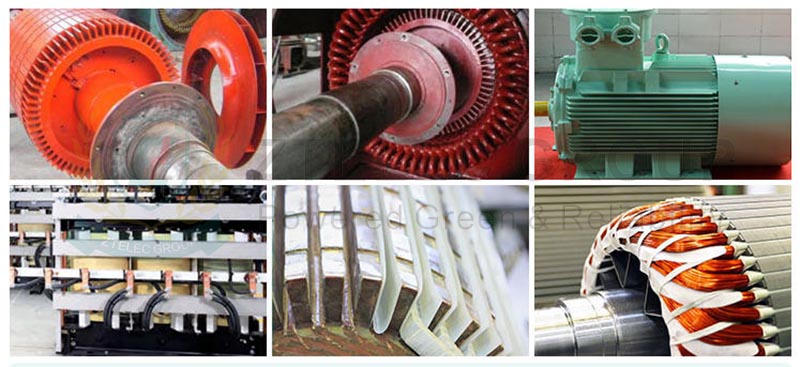
Applications of NHN/NH Insulating Paper in Motors
1. Main Application Areas
Electric Vehicle Traction Motors: Meets insulation reliability requirements under high power density conditions
Industrial Variable Frequency Motors: Withstands high-frequency pulse voltage impacts
Wind Turbine Generator Sets: Adapts to long-term stable operation requirements in harsh outdoor environments
High-Speed Rail Traction Systems: Provides reliable insulation for high-speed, high-vibration conditions
High-Efficiency Household Appliance Motors: Helps improve motor energy efficiency and operational reliability
2. Typical Application Locations
Stator slot insulation, phase-to-phase insulation, interlayer insulation, lead wire insulation, end insulation
Key Selection Considerations for NHN/NH Insulation Paper
When selecting insulation materials, the following factors should be considered comprehensively:
Motor operating environment: Including temperature, humidity, and chemical contact conditions.
Electrical performance requirements: Such as operating voltage, frequency, and pulse voltage parameters.
Mechanical performance requirements: Including vibration intensity and assembly process compatibility.
Thermal management requirements: Such as heat dissipation performance and heat resistance rating matching.
Certification standards: Comply with relevant industry certification requirements such as UL, IEC, and NEMA.
Cost-effectiveness: Comprehensively weigh material procurement costs against the total life-cycle cost of the motor.
As motor technology develops towards higher power density, higher efficiency, and smaller size, the market demand for NHN/NH series high-performance insulation materials continues to grow.
The rapid development of the electric vehicle industry has driven the demand for high-temperature resistant and high-reliability insulation materials.
The rise of the renewable energy industry has placed higher demands on the weather resistance of motor insulation systems. Intelligent industrial production models have further raised the performance threshold for motors.
Advances in new material research and development technologies are also continuously driving the improvement of composite insulation material performance.
NHN/NH flexible composite insulation paper for motors reflects the development level of modern motor insulation technology. This material, through its composite structure design, can meet the insulation requirements of motors in high-temperature, high-voltage, and harsh environments. For motor design engineers, the proper selection and application of such high-performance insulation materials is a crucial step in ensuring motor reliability, operating efficiency, and service life.
- more+releated article
- 2026-01-07NHN/NH Flexible Composite Insulation Paper for
- 2026-01-07The Ultimate Guide to Transformer Oil Conserva
- 2026-01-06Why are SMC insulation sheets widely used in d
- 2026-01-06Why Hospitals, Subways, and Data Centers Choos
- 2026-01-066-10kV High Voltage Switchgear Cabinet for Med
- 2026-01-06G10 Epoxy Board: An Innovative Solution for El
- 2026-01-06Analysis of Energy-Saving and Noise Control Te
- 2026-01-06G10 Epoxy Sheet: The Preferred Insulation Mate
- 2026-01-063240-B Epoxy Phenolic Glass Fiber Cloth Lamina
- 2026-01-06Are Three-Phase Isolation Dry-Type Transformer
- ELECTRICAL INSULATION BOARD MATERIALS
- ELECTRICAL INSULATION MATERIALS
- POWER TRANSFORMER
- ENAMELED WIRE
- SWITCHGEAR

- transformer oil conservatorpower transformer accessoriesoil conservator tankOil immersed transformerChina transformer manufacturersglobal power transformersChinese-made power transformersenergy efficiency transformerspower transformer selectiontransformer procurement mistakestransformer overloadtransformer maintenanceinsulation failure transformertransformer overheatingtransformer short circuitpower transformer faults11168kVA oil-immersed transformer100 kVA distribution transformercommercial power transformer500 kVA distribution transformerindustrial transformer selectionSingle-Phase Dry-Type Transformer10kV transformer replacement50kVA distribution transformer500kVA distribution transformer